

Table of Contents
- How Junk Removal Pricing Works
- Average Cost of Junk Removal Services by Load Size
- Factors That Influence Junk Removal Cost
- Dumpster Rental vs. Junk Removal: Cost Comparison
- What Is a Bulky Item Removal Service and How Much Does It Cost
- How to Get a Free Junk Removal Estimate
- Money-Saving Tips for Junk Removal
- Conclusion
Last Updated: August 20, 2026
How Junk Removal Pricing Works
The cost of junk removal services depends on how much stuff you're removing and what type of items need to go. Most junk removal companies charge based on volume, specifically, how much space your items take up in their truck. Think of it like paying for the cubic yard of space you're using rather than by the pound.

Here's the basic model: a crew shows up, assesses what you want removed, loads it into their truck, and hauls it away. You pay a single fee that covers labor, transportation, and disposal at the facility. At Mike's Top Junk Removal, we provide upfront pricing so you know exactly what you're paying before the work begins.
The pricing structure typically works like this: smaller loads cost less because they take up less truck space, while larger loads, like clearing out an entire basement or garage, cost more. Some companies charge a minimum fee to cover their time and fuel, even if your load is small. Understanding this upfront helps you budget correctly and avoid sticker shock when the bill arrives.
Different companies structure their pricing differently. Some charge by the truckload, others by the cubic yard of space used, and some use a tiered system based on load size categories. The transparency matters because it affects your total cost. When you call for a free estimate, ask specifically how they calculate their pricing so there's no confusion later.
Average Cost of Junk Removal Services by Load Size
Most junk removal companies organize pricing into load categories based on how much of their truck space you'll occupy. A small load might be a few pieces of furniture or a basement corner's worth of clutter. A large load could be an entire garage cleanout or renovation debris from a major project.
Small loads typically represent about one-quarter of the truck's capacity. These are jobs where you're removing a single couch, a few boxes, or a small pile of yard waste. Medium loads fill roughly half the truck and include jobs like clearing out a bedroom, removing multiple appliances, or hauling away construction debris from a smaller renovation. Large loads use three-quarters or more of the truck's space, think full basement cleanouts, estate sales, or major renovation debris.

The price difference between categories reflects the actual cost difference in labor and disposal. A small load might take 30 minutes to load and haul. A large load could take two to three hours, require additional crew members, and generate higher disposal fees at the facility. When you're getting estimates, ask what size category your project falls into so you understand the pricing tier.
Most companies won't charge you for space you don't use. If your stuff only fills half the truck but you're in the "large load" category, you typically pay for the space you actually occupy. This is where getting an on-site estimate makes a real difference, the crew can assess your items and tell you exactly which tier applies rather than you guessing over the phone.
Factors That Influence Junk Removal Cost
Several variables affect what you'll actually pay for junk removal services. Understanding these factors helps you estimate costs more accurately and identify where you might save money.
Volume and Load Size
The total volume of items you're removing is the primary cost driver. A garage packed floor-to-ceiling costs significantly more to haul than a few items from a bedroom. The crew needs to assess not just the number of items but how they'll fit in the truck, awkwardly shaped furniture takes up more space than compact boxes.
Weight matters too, even though most residential junk removal charges by volume rather than weight. Extremely heavy items like safes, pianos, or loaded filing cabinets require additional labor to move safely. Some companies charge extra for items over a certain weight threshold because they demand specialized handling or additional crew members.
Seasonal factors can affect pricing. Spring and summer are peak junk removal seasons when demand is highest. Many companies charge more during these months because their crews are fully booked. Winter and early fall often have lower prices because fewer people are doing cleanouts. If your timeline is flexible, scheduling during slower seasons can reduce your cost.
Item Type and Hazardous Materials
Not all items cost the same to dispose of. Standard household junk, furniture, boxes, general clutter, follows standard disposal pricing. But certain items carry extra costs because they require special handling or can't go to regular landfills.
Electronics like old televisions, computers, and monitors often incur an additional charge because they contain hazardous materials and require specialized recycling. Appliances like refrigerators, air conditioners, and washing machines need special handling due to refrigerants and other regulated substances. Some companies charge an appliance removal fee on top of the standard junk removal cost.
Hazardous materials, paint, batteries, chemicals, propane tanks, cannot be disposed of at regular landfills. If your cleanup includes these items, expect additional fees or outright refusal to take them. Many junk removal companies won't touch hazardous waste because of regulatory requirements. You'll need to dispose of these items separately at a hazardous waste facility.
Construction debris costs more to dispose of than household junk because landfills charge higher tipping fees for construction materials. If you're clearing out renovation debris, drywall, lumber, or concrete, ask specifically about construction debris pricing. Some companies specialize in construction cleanup and may offer better rates than general junk removal services.
Labor-Intensive Items and Accessibility
How easy it is to access and load your items affects the final price. Items in a basement accessible via a wide staircase cost less to remove than items on a third-floor bedroom with narrow hallways. Heavy furniture that requires multiple people, special equipment, or careful maneuvering to avoid damaging your home takes longer and costs more.
Stairs, tight spaces, and long distances from the truck all increase labor time. If the crew has to carry items through your home, down multiple flights, or across your yard to reach the truck, that's additional labor cost. Some companies charge extra for jobs that require special equipment like dollies, furniture sliders, or protective coverings to prevent damage.
Accessibility issues can significantly inflate your bill. A second-story bedroom cleanout costs more than a ground-floor garage cleanout with direct truck access. Antique or fragile items that require careful handling add time and cost. If your items are in hard-to-reach locations, mention this during your estimate call so the crew can factor it into their quote.
Dumpster Rental vs. Junk Removal: Cost Comparison
Many people wonder whether to hire a junk removal service or rent a dumpster. The choice depends on your project size, timeline, and budget.
Dumpster rental works best for large projects where you need ongoing disposal over several days or weeks. You rent the dumpster, fill it at your own pace, and the company picks it up when you're done. This approach gives you flexibility and works well for renovation projects where debris accumulates over time. However, dumpster rental typically requires a minimum rental period (often three to seven days) even if you fill it in one day.
Full-service junk removal like what Mike's Top Junk Removal provides works better for one-time cleanouts where you want everything gone quickly. The crew arrives, assesses your items, loads everything, and hauls it away in a single visit. You don't need to do any of the heavy lifting or sorting. This convenience costs more per cubic yard than dumpster rental, but if you're only doing a single project, the total cost often comes out similar or lower because you're not paying for multiple days of rental.
Dumpster rentals typically charge a base fee plus overage charges if you exceed weight limits. Some dumpsters have strict rules about what can and cannot be placed inside. Junk removal services handle the sorting and disposal logistics for you, which saves time even if the per-unit cost is higher.
For small to medium cleanouts, a garage, basement, or bedroom, junk removal usually costs less total than dumpster rental because you're only paying for the actual space used. For very large projects like clearing an entire house or major renovation debris, dumpster rental may be more economical because you can spread the work over multiple days without additional crew labor costs.
What Is a Bulky Item Removal Service and How Much Does It Cost
A bulky item removal service specializes in hauling away large, heavy items that don't fit in regular trash collection. These are items like old sofas, refrigerators, mattresses, and broken appliances that curbside pickup won't accept.
Many municipalities offer bulky item removal as part of their waste management services, usually for a small fee or included in your trash service. You call ahead, schedule a pickup date, and leave the items at the curb. The city's crew comes by and hauls them away. This is the cheapest option if available in your area, but it's usually limited to a few items per year and has strict size and weight restrictions.
Private bulky item removal services offer more flexibility. They'll pick up items on your schedule, often with same-day or next-day availability. They handle the heavy lifting and disposal, which saves you time and physical effort. These services typically charge per item or per load, depending on the company's pricing structure.
A single-item pickup might cost between the price of a small load removal, while multiple bulky items bundled together might qualify for a medium-load rate. The advantage of using a specialized bulky item service is convenience, they focus specifically on these large items and know how to handle them without damaging your home.
Some junk removal companies, including Mike's Top Junk Removal, handle bulky items as part of their standard Residential Junk Removal service. This means you can combine bulky items with other household junk in a single appointment rather than scheduling separate pickups. It's often more economical than calling a dedicated bulky item service if you have mixed junk to remove.
How to Get a Free Junk Removal Estimate
Getting an accurate estimate starts with understanding what information the crew needs to price your job correctly. Most reputable junk removal companies offer free estimates because they know an on-site assessment is the only way to give you a real price.
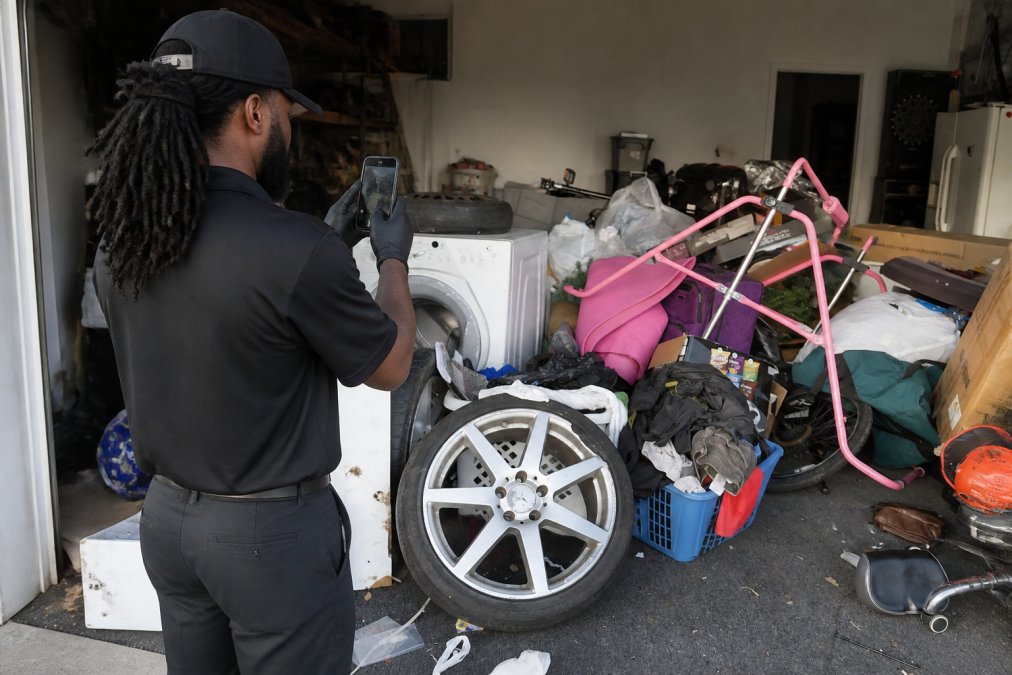
When you call for an estimate, be ready to describe your items. Tell them what rooms you're clearing out, a garage, basement, attic, or multiple rooms. Mention specific items if you have large appliances, furniture, or construction debris. The more detail you provide over the phone, the more accurate the initial estimate. However, most companies will still want to see the items in person before quoting a final price.
Schedule the estimate at a time when someone will be home to show the crew what needs to go. They'll walk through your home, assess the volume and type of items, note any accessibility challenges, and determine which load category your project falls into. This is when you ask questions about their pricing structure, what's included in their fee, and whether they handle specific items like electronics or appliances.
During the estimate, ask about their disposal practices. A responsible junk removal company will explain where items go, whether they're recycled, donated, or disposed of at a landfill. Ask about their timeline for pickup. If you need same-day or next-day service, confirm they can accommodate that. Mike's Top Junk Removal offers free estimates and same-day or next-day availability, so you know exactly what to expect before the work begins.
Get the estimate in writing. A written quote protects both you and the company. It should specify the load size, the price, what's included, and the scheduled pickup date and time. If the crew finds additional items during pickup that weren't mentioned in the estimate, they should contact you before adding charges.
Money-Saving Tips for Junk Removal
Several strategies can reduce what you pay for junk removal services without sacrificing quality or reliability.
First, consolidate your items. If you have small piles of junk in different rooms, gather everything into one location before the crew arrives. This reduces the time they spend searching through your home and loading from multiple spots. Less labor time means lower cost. It also helps the crew assess the total volume more accurately.
Second, separate items you can donate or sell. Charities and thrift stores accept furniture, appliances, and household items in good condition. Selling items online or at a garage sale takes more time but can offset your junk removal costs. The items you actually need removed will fit into a smaller load category, reducing your bill. Plus, you get a tax deduction for donated items.
Third, remove items yourself if you have the ability. If you can haul a few lighter items to a local recycling center or donation drop-off, that reduces the volume the junk removal crew needs to handle. This works especially well for electronics and appliances that have special disposal requirements and carry extra fees.
Fourth, schedule during slower seasons. As mentioned earlier, winter and early fall typically have lower demand, which means companies may offer discounted rates to fill their schedule. If your timeline is flexible, waiting a few months could save you money.
Fifth, get multiple estimates. Different companies price differently based on their overhead, crew size, and disposal partnerships. Calling three or four companies gives you a real sense of the market rate in your area. However, be cautious of estimates that seem too low, they may have hidden fees or cut corners on proper disposal.
Sixth, ask about package deals. Some junk removal companies offer discounts if you bundle services, for example, a garage cleanout plus an attic cleanout in the same appointment. If you have multiple areas to clear, asking about combined pricing could reduce your total cost.
Finally, be honest about what you're removing. Hiding hazardous materials or prohibited items creates problems for the crew and can result in additional charges or service refusal. Transparency about your items ensures accurate pricing and smooth service.
| Money-Saving Strategy | How It Works | Potential Savings |
|---|---|---|
| Consolidate items in one location | Gather junk before crew arrives | Reduced labor time |
| Separate donations and sellable items | Remove items yourself or donate | Lower load category |
| Remove items yourself | Haul lighter items to recycling centers | Reduced volume |
| Schedule during slower seasons | Book in winter or early fall | Possible discount rates |
| Get multiple estimates | Compare pricing from 3-4 companies | Identify best market rate |
| Ask about package deals | Combine multiple cleanouts in one appointment | Bundle discounts |
Frequently Asked Questions
What factors influence the total cost of junk removal?
The main cost drivers are load size (measured in cubic yards), item type, and accessibility. Hazardous materials like electronics, appliances, and paint cost more to dispose of due to tipping fees and recycling facility requirements. Labor-intensive items that require multiple crew members or careful maneuvering through tight spaces also increase the price. Distance to the disposal site and your service area affect hauling costs. Getting an on-site estimate ensures accuracy because crews can assess volume and complexity in person.
How much does a bulky item removal service cost?
A bulky item removal service typically charges based on the volume of items and the number of crew members needed. Single appliances or furniture pieces range from $150 to $500 depending on size and weight. Full-service removal (where the crew handles loading, hauling, and disposal) costs more than curbside pickup. The best way to get an accurate price is through a free estimate where the team assesses what you're removing, how much space it takes, and whether special handling is needed.
Is it cheaper to rent a dumpster or hire a junk removal service?
Dumpster rental works better for construction debris and renovation projects where you fill it over time; costs typically range from $300 to $600 per week plus tipping fees. Junk removal is usually more cost-effective for household items, furniture, and appliances because you pay only for what you remove without minimum charges or rental periods. Full-service junk removal eliminates the work of loading heavy items yourself, which dumpster rental requires. For small jobs or one-time cleanouts, junk removal services often save money.
What's included in the junk removal service fee?
A full-service junk removal fee covers crew labor, truck capacity for hauling, and disposal at appropriate facilities. This includes taking items apart if needed, loading from your home, and transporting to recycling centers or landfills. Tipping fees and recycling facility charges are typically built into the quoted price. Some services offer same-day or next-day availability with upfront pricing so you know the exact cost before work begins. Always confirm whether your estimate includes all disposal fees to avoid hidden charges.
How do junk removal companies calculate their prices?
Most companies use volume-based pricing, charging per cubic yard of space your items occupy in the truck. They assess load size during an on-site estimate, then factor in labor costs, disposal fees, and truck capacity. Items requiring special handling (appliances, e-waste, hazardous materials) have higher disposal costs, which get passed to you. Some use a minimum charge to cover fuel and crew time. Transparent pricing means the company provides a quote upfront based on what you're removing, not surprise fees added later.
What items cost more to remove?
Appliances, electronics, and e-waste carry higher costs because they require specialized recycling or disposal at certified facilities. Refrigerators, air conditioners, and items containing refrigerants incur environmental disposal fees. Hazardous materials like paint, batteries, and chemicals demand certified disposal, increasing tipping fees. Heavy furniture requiring multiple crew members or careful maneuvering costs more in labor. Construction debris from renovations may cost less per cubic yard if it's uniform but more if mixed with other waste, since sorting increases labor time.
Is junk removal service worth the investment?
Yes, for most homeowners and property managers. You save time (no DIY hauling or multiple landfill trips), avoid physical strain, and ensure proper disposal and recycling. For large cleanouts, estate sales, rental property turnovers, or renovation debris, the convenience and speed justify the cost. Professional teams handle hazardous materials safely and responsibly. If you value your time and prefer reliable, same-day or next-day service with transparent pricing, junk removal pays for itself in peace of mind and efficiency.
The cost of junk removal services depends on your specific situation, but understanding how pricing works removes the guesswork. Mike's Top Junk Removal provides free estimates and upfront pricing so you can make an informed decision. Whether you're clearing out a garage, removing bulky items, or handling an estate cleanout, getting a free estimate is the first step. Get my free estimate today and reclaim your space with transparent pricing and reliable service.
This article was written using GrandRanker