

Table of Contents
- How the Junk Removal Process Works
- Sorting and Categorization of Items
- Donation vs. Recycling vs. Landfill: Where Items Actually Go
- How to Dispose of E-Waste Responsibly
- Junk Removal Donation Guidelines and Best Practices
- Benefits of Professional Home Decluttering Services
- What Happens to Recyclable Materials at the Transfer Station
- Environmental Impact and Landfill Diversion
Last Updated: August 18, 2026
How the Junk Removal Process Works
When you call Mike's Top Junk Removal, the process begins immediately. Our team arrives at the scheduled time, assesses what needs to go, and loads everything into the truck following safety protocols for heavy lifting and protecting your home.
Loading and Transportation
Items are loaded strategically based on weight and fragility. Heavier pieces like appliances and furniture go in first, creating a stable base, while lighter items and breakables are positioned on top or secured separately. Mike's Top Junk Removal's same-day and next-day availability means items move through the system fast, arriving at the sorting facility within hours of pickup.
Arrival at the Sorting Facility
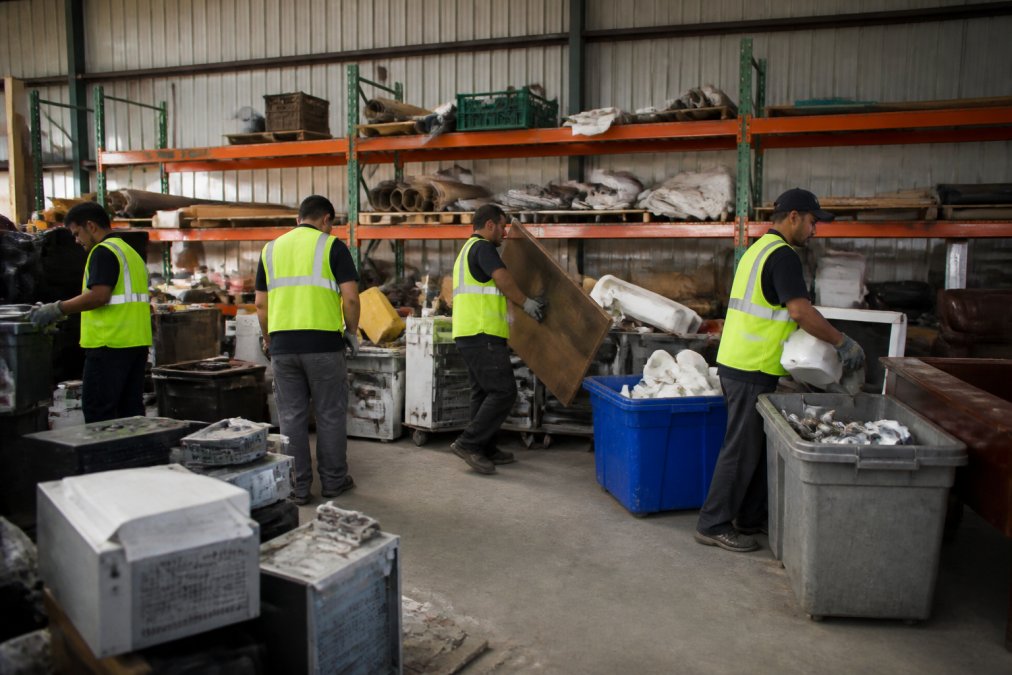
Once at the facility, trained staff unload items into designated receiving areas and assess each piece. This is where the waste stream begins its transformation. Items are separated based on material composition, condition, and potential second life, with staff working quickly to categorize items and identify anything salvageable before anything goes to landfill.
Sorting and Categorization of Items
Every piece that arrives is evaluated within minutes of unloading. The decision made here determines whether an item gets donated, recycled, sent to a scrap yard, or disposed of at a landfill. This categorization process is critical to landfill diversion, the practice of keeping usable materials out of waste streams.
Initial Assessment
Staff examine each item for damage, missing parts, and overall usability. A dresser with a broken drawer might still be valuable for someone needing storage. A lamp with a bent shade could work perfectly after a quick repair. Condition determines category: items in good working order or needing minor fixes go to the donation pile, while items with significant damage but salvageable materials go to recycling or scrap facilities.
Separation by Material Type
Once initial assessment is complete, items are separated by material. Wood furniture, metal appliances, electronics, and textiles each get their own space because each type requires different processing. Metal items are sorted by ferrous and non-ferrous metals, ferrous metals like steel go to one scrap yard while aluminum, copper, and brass go to another. Wood is separated by type and condition, with solid wood furniture worth refinishing going to donation centers while particle board goes to wood recycling facilities or is chipped for mulch.
Donation vs. Recycling vs. Landfill: Where Items Actually Go
The path each item takes depends on its condition, material composition, and market demand. Understanding these three destinations explains why professional junk removal beats illegal dumping or leaving items curbside.
Items Suitable for Donation
Furniture in good condition, appliances in working order, clothing, books, and household goods go to donation centers and nonprofits. These items are refurbished if needed and sold affordably, keeping them in the circular economy rather than consuming new resources. Appliances like refrigerators, washers, and dryers are refurbished and resold, providing affordable options for families that might otherwise go without.
Materials Sent to Recycling
Recyclable materials, paper, cardboard, plastics, and glass, are bundled and sent to material recovery facilities where they're sorted further and processed for remanufacturing. Electronics and e-waste require specialized recycling: computers, monitors, and televisions are disassembled to recover precious metals like gold and copper while safely disposing of toxic components like lead and mercury. Metal recycling is particularly valuable, with aluminum, copper, steel, and stainless steel melted down and reformed into new products from beverage cans to automotive parts.
What Goes to the Landfill
Only items that cannot be donated or recycled go to the landfill, typically items broken beyond repair, contaminated, or with no market value. Hazardous materials that cannot be safely recycled go to specialized disposal sites. The landfill is the last resort, not the default destination, because professional sorting facilities work hard to divert items away from landfills.
How to Dispose of E-Waste Responsibly
Electronics contain valuable materials and hazardous substances requiring proper disposal. When you use a professional service like Mike's Top Junk Removal for electronics, you're ensuring compliance with regulations and supporting responsible material recovery.
E-Waste Regulations and Compliance
The Environmental Protection Agency recognizes e-waste as a significant environmental concern. Electronics contain lead, mercury, cadmium, and other toxic materials that leach into soil and groundwater when improperly disposed of. Many states have e-waste recycling laws requiring manufacturers and retailers to accept old electronics, and some ban certain electronics from landfills entirely. Professional junk removal services stay current with these regulations and route electronics appropriately. Responsible e-waste recyclers provide certificates of destruction showing that devices were properly handled and data was securely wiped.
The E-Waste Recycling Journey
Electronics arrive at specialized facilities designed for safe disassembly. Workers separate components by type, circuit boards, plastic casings, metal frames, glass screens, allowing each material to be processed through the appropriate recycling stream. Circuit boards go to precious metal recovery facilities where gold, silver, copper, and other valuable metals are extracted. Plastic casings are shredded and processed for remanufacturing. Glass screens are crushed and sent to glass recyclers. Hazardous materials like batteries and capacitors are isolated and handled according to environmental regulations.
Junk Removal Donation Guidelines and Best Practices
Getting items to donation centers requires preparation. Items need to be clean, functional, and complete to maximize what gets reused rather than recycled or discarded.
Preparing Items for Donation
Clean items before donation and keep pieces together. If a lamp has a shade, include it. If a furniture set has multiple parts, keep them together. Check that everything works by testing appliances and ensuring furniture is structurally sound. Donation centers will verify this anyway, but items that work on arrival move through their system faster.
Finding the Right Donation Centers
Local nonprofits often accept furniture and household goods. Goodwill and Salvation Army locations are widespread and accept diverse items, providing tax deduction receipts as a bonus. Specialized organizations accept specific items, Habitat for Humanity ReStore takes building materials and appliances, libraries accept book donations, and schools accept office equipment. Finding the right fit increases the chance your items actually get reused.
Benefits of Professional Home Decluttering Services
Hiring professionals for junk removal saves time, effort, and stress while ensuring responsible handling of what you no longer need.
Environmental and Social Impact
Professional removal services maximize landfill diversion by sorting items appropriately. When you handle decluttering yourself, items often end up in landfills because finding donation centers feels overwhelming. Professional services have established relationships with donation centers, recyclers, and scrap yards, making responsible disposal the default. Donated items provide affordable options for people with limited budgets, nonprofits generate revenue that funds community programs, and recycling creates jobs at material recovery facilities. Manufacturing new furniture, appliances, and electronics consumes resources and generates emissions, so extending the life of existing items through donation reduces this environmental burden.
Convenience and Peace of Mind
Professional junk removal handles the heavy lifting literally and figuratively. You don't strain your back moving furniture or spend weekends figuring out where things go. Mike's Top Junk Removal's same-day and next-day availability means you can reclaim your space quickly. Free estimates and upfront pricing eliminate surprise charges, and you know exactly what to expect before committing. Peace of mind comes from knowing items are handled responsibly, donations go to legitimate nonprofits, recyclables go to proper facilities, and hazardous materials get special handling.
What Happens to Recyclable Materials at the Transfer Station
Transfer stations are the hub where recyclable materials from multiple sources converge. These facilities sort, compact, and prepare materials for transport to specialized recycling facilities.
Material Recovery Facility Operations
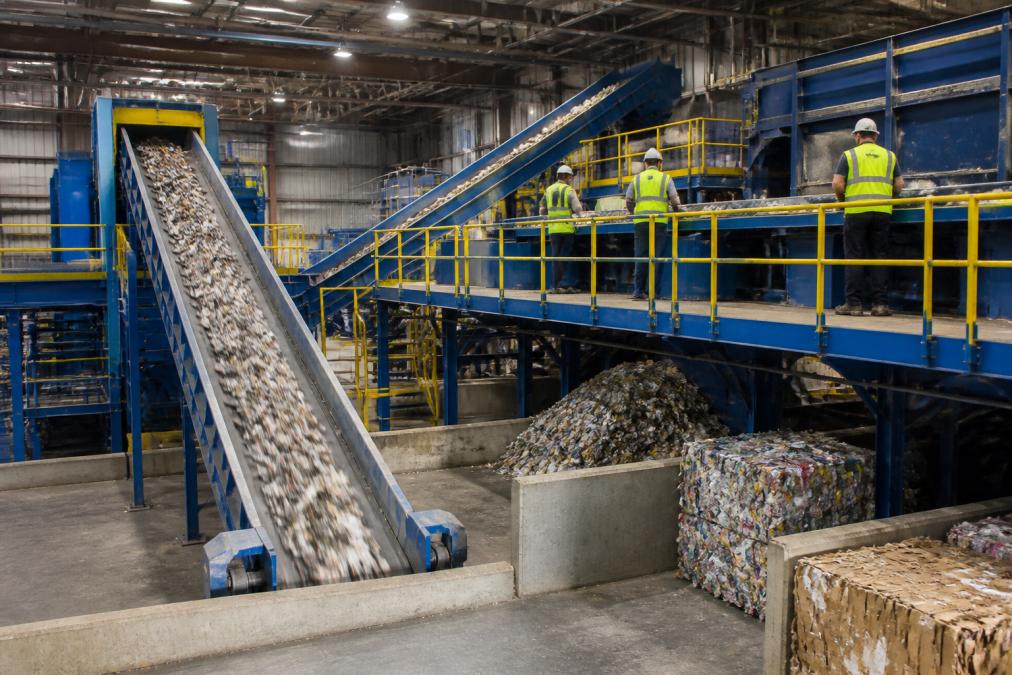
Materials arrive from junk removal services, curbside collection programs, and drop-off centers. Magnets separate ferrous metals from other materials, and manual sorting separates materials that magnets miss. Conveyor belts move materials through the facility in organized streams, with each material type moving toward its designated processing area. Cardboard gets baled and compressed for transport, plastics are sorted by type, and metals are separated further. The facility operates with efficiency in mind because space is limited and materials degrade in quality if they sit too long.
The Second Life of Recycled Items
Cardboard becomes new cardboard boxes, paper products, and animal bedding using far less energy than making cardboard from virgin wood pulp. Plastics are shredded into flakes, cleaned, and melted into pellets that become new plastic products, beverage bottles, plastic lumber, automotive parts, and clothing fibers. Metals have the highest value in the recycling stream: aluminum is melted and reformed into new cans and automotive parts, copper becomes wiring and plumbing materials, and steel becomes automotive parts and appliances. Metal recycling is infinitely recyclable without degradation, making it the most valuable material in the waste stream.
Environmental Impact and Landfill Diversion
Understanding the environmental benefits of proper junk removal motivates responsible disposal choices.
Reducing Your Carbon Footprint
Manufacturing new products generates significant carbon emissions from mining raw materials, processing them, manufacturing products, and transporting them to stores. When you donate or recycle items instead of discarding them, you reduce demand for new manufacturing. A donated sofa saves the carbon emissions from manufacturing a new sofa. Recycled aluminum saves 95% of the energy required to produce aluminum from raw ore, while recycled steel saves about 60% of the energy compared to virgin steel production. Landfills themselves generate methane, a potent greenhouse gas, as organic materials decompose. Diverting these materials away from landfills prevents methane generation.
Supporting the Circular Economy
The circular economy treats materials as resources to be kept in use rather than discarded. Professional junk removal services are essential to circular economy functionality, without efficient collection, sorting, and processing systems, items can't flow back into manufacturing. Repurposing and upcycling represent the highest level of circular economy thinking, with items repaired and resold rather than recycled, keeping them in their original form longer before materials are recovered.
When you need to clear out your space, understanding what happens to junk after removal transforms the experience from disposal anxiety into confidence in responsible handling. Mike's Top Junk Removal ensures your items follow the appropriate paths, donation to nonprofits, recycling to material recovery facilities, or proper disposal when necessary. With free estimates and upfront pricing, you know exactly what to expect. Get your free estimate today and reclaim your space with confidence that your items are handled responsibly.
Frequently Asked Questions
Do junk removal companies actually recycle?
Yes, professional junk removal services prioritize recycling as part of their waste management process. After items arrive at the sorting facility, trained staff separate recyclable materials like metal, plastic, paper, and glass. These materials are sent to material recovery facilities where they're processed and sold to manufacturers. The goal is landfill diversion, keeping as much waste out of landfills as possible. Responsible companies track their diversion rates and can provide documentation of where items end up.
What happens to electronic waste after it is picked up?
Electronic waste (e-waste) requires special handling due to hazardous materials like lead, mercury, and cadmium. When e-waste is picked up, it's transported to certified e-waste recycling facilities that comply with EPA regulations. These facilities safely extract valuable materials like copper, gold, and aluminum, while hazardous components are disposed of according to environmental standards. This prevents toxic substances from contaminating soil and water. Never dispose of electronics in regular trash or at standard landfills, professional removal ensures they're handled responsibly.
How do junk removal services decide what to donate?
Junk removal professionals assess each item for functionality and condition. Furniture that's structurally sound, appliances that work, and clothing in good condition are candidates for donation. Items are evaluated against donation center requirements, most won't accept broken, stained, or unsafe items. Once approved, these goods go to local charities, thrift stores, and nonprofit organizations where they're resold or distributed to people in need. This extends the product lifecycle and supports your community while reducing landfill waste.
What items are prohibited from standard junk removal?
Hazardous materials cannot be accepted in standard junk removal services. These include paint, chemicals, batteries, propane tanks, and refrigerants. Electronics like old TVs and computers require specialized e-waste recycling. Tires, medical waste, and asbestos also need special handling. Before scheduling removal, inform your provider about hazardous items so they can either arrange proper disposal or direct you to specialized facilities. This ensures compliance with environmental regulations and protects workers and the community.
This article was written using GrandRanker