

Table of Contents
- Why Quick Junk Removal Matters for Rental Property Turnover
- Rental Property Cleanout Checklist: What Needs to Go
- Legal Requirements for Abandoned Tenant Property
- How to Prepare Your Property for a Junk Removal Crew
- Cost of Professional Junk Removal Services and Budget Planning
- Same-Day and Emergency Turnover Services
- Post-Cleanout Sanitation and Property Readiness
- Conclusion
Last Updated: August 16, 2026
Why Quick Junk Removal Matters for Rental Property Turnover
Quick junk removal for rental property turnover directly impacts your bottom line. Every day a unit sits vacant costs lost rent, and debris left behind risks code violations and tenant complaints. Property managers face constant pressure to turn units fast without compromising cleanliness or legal compliance.
Abandoned tenant property, old appliances, broken furniture, and accumulated debris can't remain in place while you schedule removal weeks out. The window to prepare a rental property for new occupants is narrow, and delays cascade into lost revenue. At Mike's Top Junk Removal, we understand that speed matters in property management. The difference between a two-week turnover and a five-day turnover can mean thousands of dollars in recovered rental income.
The real challenge is removing junk legally, responsibly, and within the tight timeline rental property operations demand. This guide breaks down what needs to happen, legal requirements, and how to work with a removal crew to minimize vacancy time.
Rental Property Cleanout Checklist: What Needs to Go
A comprehensive rental property cleanout checklist ensures nothing gets missed and nothing gets left behind that shouldn't be. Different items require different handling, some can be donated, others must be disposed of properly, and some fall under hazardous waste regulations that carry legal consequences if ignored.
Furniture and Fixtures
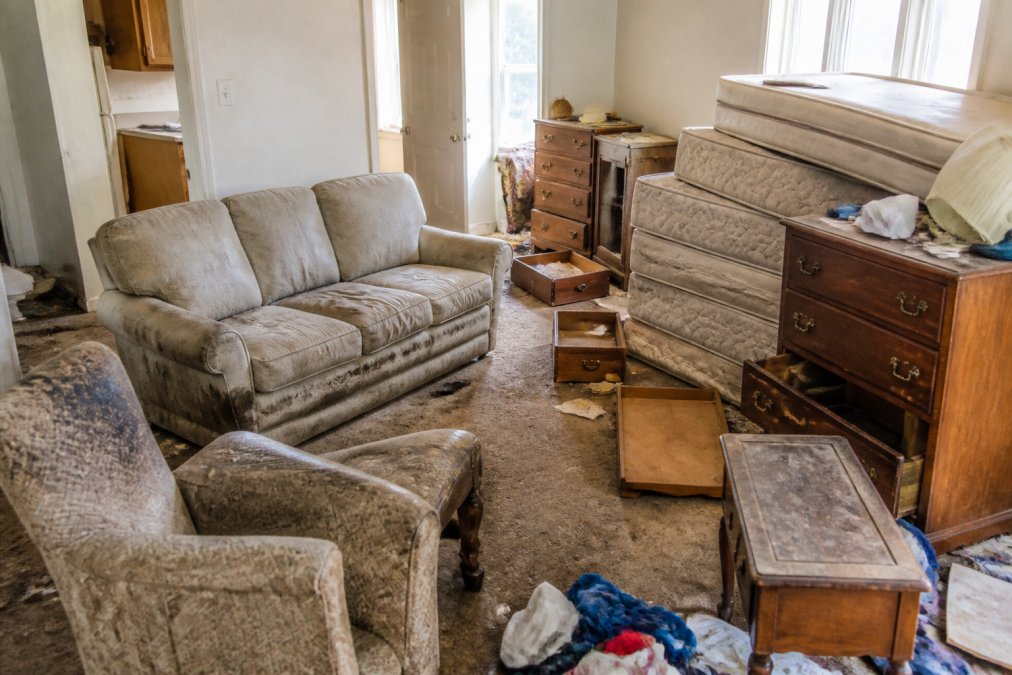
Abandoned furniture is the most visible part of most rental property cleanouts. Couches, beds, dressers, tables, and chairs often remain because tenants can't afford to move them or simply abandon them. Broken or damaged furniture typically ends up in landfills, though some pieces in good condition can be donated to charities.
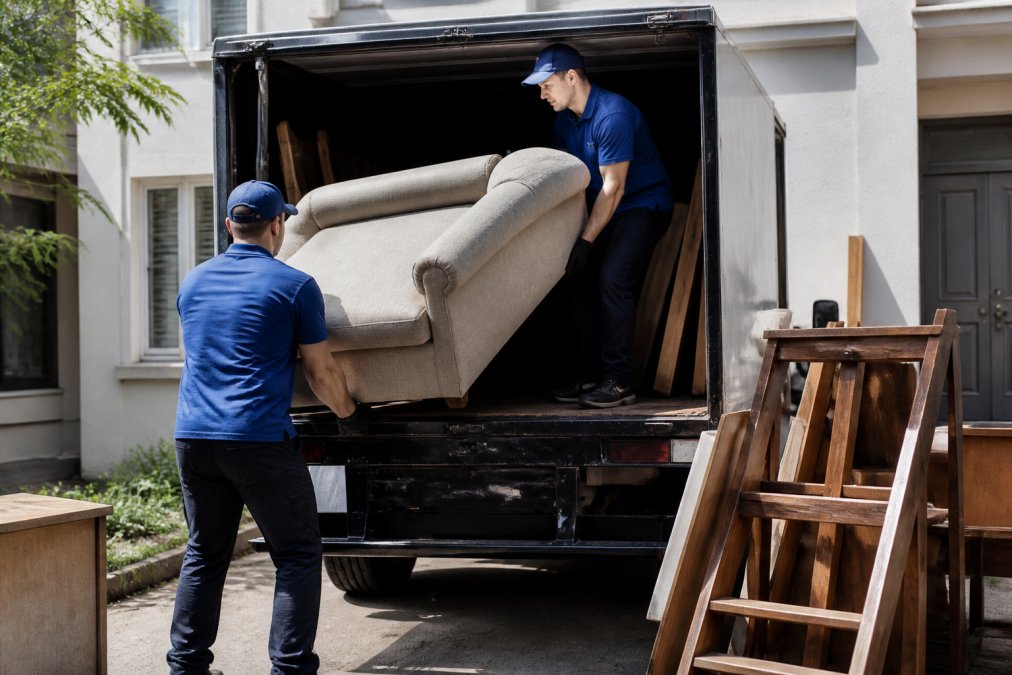
A single bedroom might contain a bed frame, mattress, dresser, and nightstands, easily 500+ pounds. Professional crews handle the heavy lifting and transportation, saving you from renting equipment or attempting dangerous moves through stairwells and doorways.
Document the condition of all furniture before removal begins. Take photos showing what's there and its state. This protects you if questions arise later about what was in the unit.
Appliances and Mechanical Systems
Refrigerators, stoves, washers, dryers, and dishwashers left behind require specialized removal. Many contain refrigerants or other substances regulated under EPA guidelines, making improper disposal illegal. Professional junk removal crews know legal requirements and ensure these items reach certified recycling facilities.
Old HVAC units, water heaters, or furnace components occasionally need removal during turnover, especially if they've failed. These are heavy, bulky, and sometimes contain hazardous materials. Attempting DIY removal creates liability and legal risk.
Some appliances retain residual value and can be refurbished or resold. A professional removal service can identify items worth salvaging versus those destined for recycling or disposal.
Hazardous Materials and Special Items
This category includes paint cans, cleaning supplies, batteries, electronics, and anything else that can't go in a standard dumpster. Tenants often leave these behind without realizing the legal implications for property owners.
Paint disposal is regulated by state and local environmental agencies. Batteries contain heavy metals and must be recycled properly. Electronics like old TVs and computer monitors contain lead and other toxic substances. Improper disposal can result in environmental violations and fines against your property.
Asbestos-containing materials in older units require professional abatement before removal. Lead paint in pre-1978 buildings has strict handling requirements under federal law. These require certified professionals.
Legal Requirements for Abandoned Tenant Property
Understanding the legal framework around abandoned tenant property protects you from liability and ensures your turnover process holds up if disputes arise. State and local laws vary, but landlords have specific rights and responsibilities regarding property left behind by tenants.
Most states distinguish between property abandoned during eviction and property left during voluntary move-out. Eviction typically gives landlords broader authority to dispose of items immediately, while voluntary move-outs often require a waiting period and notice to the tenant. Some states require landlords to store abandoned property for 30-90 days before disposal.
Documentation is your legal protection. Photograph all abandoned items, note the date, and keep removal records. If a tenant later claims you disposed of valuable property, your documentation demonstrates you followed proper procedures.
Hazardous materials have their own legal framework. The EPA regulates disposal of refrigerants from appliances, batteries, electronics, and other regulated items. State environmental agencies often have additional requirements. Failing to follow these regulations creates personal liability for you as the property owner.
Contact your local housing authority or an attorney familiar with landlord-tenant law in your state to confirm specific requirements. Professional junk removal services familiar with your area know these requirements and ensure compliance.
How to Prepare Your Property for a Junk Removal Crew
Proper preparation makes the removal process faster, safer, and more efficient. A crew that arrives to find obstacles, locked doors, or unclear access points loses time and may charge additional fees.
Document the Property Condition
Before the removal crew arrives, take comprehensive photos and video of every room. Document what's there, its condition, and any damage to the property itself. This creates a baseline for before-and-after comparison and protects you if questions arise about what was removed.
Note any items you want to preserve separately, light fixtures, doors, or hardware that might be reused. Point these out clearly to the crew so they don't accidentally remove something valuable.
Secure Access and Utilities
Ensure the removal crew has clear access to all areas of the property. Lock gates should be unlocked, basement doors accessible, and exterior storage areas open. Confirm that utilities are on and accessible. Crews need lighting to work safely and may need water access for cleaning.
Clear pathways through the property and remove obstacles that could slow the crew or create safety hazards. Stack items to be removed in accessible locations if possible.
Communicate any special instructions in advance. If certain items need careful handling, if fragile items nearby must be protected, or if specific areas are off-limits, tell the crew before they begin.
Cost of Professional Junk Removal Services and Budget Planning
Understanding what drives removal costs helps you budget accurately and evaluate quotes from different services. Quick junk removal for rental property turnover pricing varies based on several factors.
Volume and Weight Factors
The primary cost driver is volume, how much stuff needs to be removed. A one-bedroom apartment with minimal abandonment costs less than a three-bedroom house filled with furniture and debris. Removal companies typically price by truck load or by the amount of space your items occupy in their truck.
Weight matters too. A truck full of heavy items like appliances costs more to haul than a truck full of light items. The accessibility of items affects labor costs. Items on the first floor take less time to remove than items in a basement or attic. Multiple flights of stairs increase labor time.
Disposal and Recycling Fees
Not all removed items go to the same place. Recyclable materials go to recycling facilities. Donations go to charities. General waste goes to landfills. Some items require specialized disposal at hazardous waste facilities.
Different disposal methods have different costs. Landfill disposal is typically cheapest. Recycling costs more because it requires sorting and transportation to specialized facilities. Hazardous waste disposal is most expensive because it requires certified handlers and proper documentation.
Professional removal services build these disposal costs into their estimates. Some companies charge flat rates that include disposal; others itemize disposal fees separately.
Tax Deductibility for Landlords
Junk removal for rental property turnover may be tax-deductible as a business expense. If the property is held for investment or business purposes, the cost of preparing it for the next tenant typically qualifies as a deductible maintenance or repair expense.
Consult with a tax professional or accountant familiar with rental property accounting. Keep detailed records of all removal expenses, invoices, receipts, and photos to support your deduction claim.
Same-Day and Emergency Turnover Services
Property emergencies happen. A tenant gets evicted with short notice. A sudden vacancy opens up. A unit needs immediate preparation for a showing or new tenant move-in. Same-day and emergency junk removal services exist specifically for these situations.
Same-day service requires advance scheduling but guarantees removal within 24 hours of your call. Emergency services handle last-minute requests, often with pricing premiums that reflect the rushed timeline. Mike's Top Junk Removal offers same-day and next-day availability, minimizing vacancy time.
A unit cleared and cleaned same-day can be listed for new tenants immediately, directly translating to recovered rental income. Emergency services typically cost more than standard scheduling, but the premium is usually less than one day of lost rent on a property.
Confirm availability and pricing before you need the service. Know which removal companies in your area offer same-day options. When an emergency hits, you'll want to make one call and have it handled.
Post-Cleanout Sanitation and Property Readiness
Junk removal clears the big items, but thorough sanitation and final preparation complete the turnover process. A property that's been vacant and cluttered needs more than debris removal to be rent-ready.
Deep cleaning follows removal. Floors, walls, windows, and fixtures need professional cleaning to remove dust, odors, and stains. Carpet cleaning or replacement may be necessary. Bathrooms and kitchen require sanitization.
Paint touch-ups address marks, stains, or damage to walls. Fresh paint in neutral colors is standard for turnovers because it makes the space feel clean and new. Inspect systems and make necessary repairs. HVAC should be serviced, filters changed, and the system tested. Plumbing should be checked for leaks. Electrical outlets should be verified functional.
Final walkthrough confirms the space is truly rent-ready. Check every room, closet, cabinet, and storage area. Verify utilities are functional. Confirm all debris is gone and the space is clean.
The difference between a property manager who struggles with turnover delays and one who maintains consistent occupancy often comes down to having a reliable quick junk removal process in place. When you know you can call and have a professional crew remove everything within 24 hours, you can commit to tight turnaround timelines and recover lost revenue.
Mike's Top Junk Removal specializes in exactly this scenario. With same-day and next-day availability, free estimates, and upfront pricing, you know what you're paying and when the work gets done. No surprises, no delays, no hidden fees, just reliable service that gets your rental units back to income-generating status fast. Get your free estimate today and see how professional quick junk removal for rental property turnover transforms your turnover timeline.
Frequently Asked Questions
What's included in a rental property cleanout?
A professional rental property cleanout typically includes removal of abandoned furniture, appliances, yard waste, and general debris left by tenants. Most services handle bulk item removal, including refrigerators, stoves, mattresses, and broken fixtures. Hazardous materials like paint or chemicals may require special handling. Always confirm with your junk removal provider what's included, as some items may incur additional fees. Our residential junk removal service covers all standard items found in rental units.
How much does professional junk removal cost for a rental property?
Junk removal costs depend on volume, weight, and item type. Most providers offer free estimates based on a site assessment. Factors affecting cost include the amount of debris, whether items need special disposal (appliances, electronics), and local landfill fees. Landlords can often deduct cleanout expenses as property maintenance costs on their taxes. Contact us for a free estimate, we provide upfront pricing with no hidden fees so you know exactly what to expect.
How quickly can you handle an emergency turnover?
Same-day and next-day junk removal services are ideal for tight turnover schedules. Professional crews can clear a rental unit in a single appointment, often within hours of scheduling. Emergency services help minimize vacancy periods and lost rent. Availability depends on current demand and your location, but reliable local providers prioritize rapid response times. Our same-day and next-day scheduling options ensure you can meet tight tenant turnover deadlines.
What are my legal obligations when removing abandoned tenant property?
Landlords must follow state and local laws regarding abandoned property. Most states require written notice to tenants before removing belongings, typically 30-60 days depending on jurisdiction. Some items may be held in storage for a set period. Document everything with photos and written records. Hazardous materials must be disposed of according to EPA regulations. Consult your state's landlord-tenant laws or a property attorney to ensure compliance before scheduling removal services.
This article was written using GrandRanker