

Table of Contents
- What a Residential Cleanout Actually Includes
- The Difference Between a Sewer Cleanout and a Junk Cleanout
- Room-by-Room: Garage Cleanout Service and Beyond
- Estate Cleanout Services: What Makes Them Different
- Furniture Removal Service and Bulky Item Handling
- Bulk Trash Pickup vs. Hiring a Cleanout Crew
- How Long a Residential Cleanout Takes and What to Expect
- Conclusion
- Frequently Asked Questions
Last Updated: September 17, 2026
What a Residential Cleanout Actually Includes
A residential cleanout is the full removal of unwanted items from a home, garage, attic, basement, or storage unit, furniture, appliances, debris, and clutter. The service covers loading, hauling, and disposal, leaving the property clear.
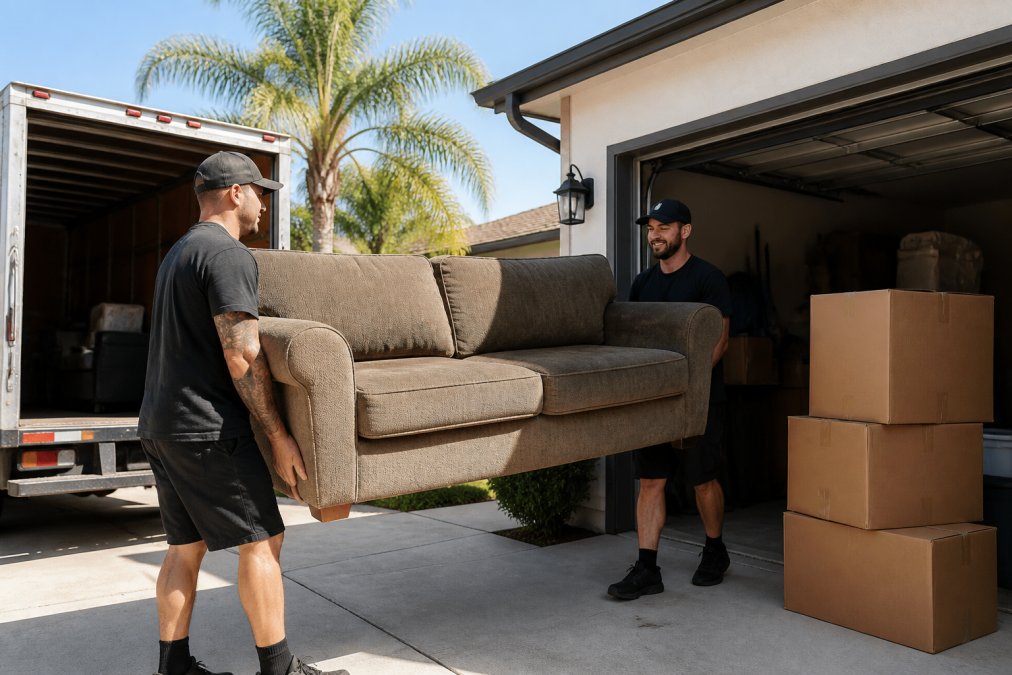
Items Typically Removed
The list is longer than most people expect:
- Sofas, recliners, mattresses, and bed frames
- Refrigerators, washers, dryers, ovens, and water heaters
- Boxed clutter, bagged trash, and broken small appliances
- Exercise equipment, pool tables, and shelving units
- Yard waste, fencing, and storm debris
- Renovation debris such as drywall, tile, and lumber offcuts
What Stays Behind
Cleanout crews do not handle everything. Household hazardous waste, including paint, solvents, motor oil, and propane tanks, requires separate handling under state and local rules. Personal documents, medications, firearms, and anything with legal or sentimental weight should be pulled before the crew arrives. Structural fixtures stay too: cabinets, flooring, and built-ins are part of the house, not the junk.
The Difference Between a Sewer Cleanout and a Junk Cleanout
The word "cleanout" carries two meanings. A sewer cleanout is a capped access point in your plumbing system that lets a plumber reach the main sewer line for snaking or hydro-jetting. A junk cleanout is the physical removal of unwanted belongings from a property.
How to Tell Which One You Need
Ask one question: is the problem stuff or is the problem water?
- Stuff: furniture, appliances, clutter, debris, abandoned belongings. You need a hauling crew.
- Water: sewage backing up into a floor drain or basement, slow drains across multiple fixtures, gurgling sounds. You need a licensed plumber.
What a Sewer Cleanout Actually Is
A sewer cleanout is a wye-shaped fitting on the building drain or sewer lateral, capped with a removable plug. It gives a plumber a direct entry point to run a drain snake or hydro-jetting hose toward the blockage instead of pulling a toilet or cutting into a wall. The cap is usually a few inches across and sits flush with the ground or floor, or on a short riser above grade.
- A round or square cap, often with a square nut or recessed lug in the center
- A raised collar in a yard, sometimes inside a small concrete or plastic box
- A flush cap in a basement floor, utility room, or crawlspace
- A faint sewage odor when the cap is loosened
Where Sewer Cleanouts Are Typically Located
Plumbers look in predictable places first:
- The front yard, between the house and the street or sidewalk, near the property line
- A basement floor or utility room, close to where the main drain exits the foundation
- A crawlspace, near the water heater or main shutoff
- A garage or carport slab, if the main line runs under it
If your home was built before cleanouts were commonly required by local plumbing codes, you may not have one at all. A plumber may then recommend installing one, a separate project from anything a hauling crew does.
When the Two Overlap
One scenario brings both meanings into the same job: a hoarder cleanup or long-vacant foreclosure cleanout where the plumbing has not been used in months. The hauling crew clears the space, and a plumber inspects the sewer line before the water is turned back on. If you are coordinating a whole house cleanout on a property that sat empty, ask the plumber to check the cleanout while the crew is still on site.
Quick Reference
| Feature | Sewer Cleanout | Junk Cleanout |
|---|---|---|
| What it is | Capped access fitting on the sewer line | Removal of unwanted items from a property |
| Who handles it | Licensed plumber | Hauling crew |
| Typical trigger | Backup, slow drains, gurgling | Move, estate, renovation, turnover |
| Location | Yard, basement, crawlspace | Any room, garage, attic, storage unit |
| Outcome | Line cleared and flowing | Space emptied and swept |
If your search was about clearing a house, garage, or estate, you want the right column. If it was about a drain backing up, you want the left column.
Room-by-Room: Garage Cleanout Service and Beyond
A garage cleanout service tackles the most cluttered space in most homes, and it usually takes the longest. Garages collect everything a household cannot decide about: broken lawn equipment, half-used paint cans, holiday decorations, and the treadmill someone swore they would use.
Garage, Attic, and Basement
Attics and basements add difficulty rather than volume: narrow access, low headroom, and stairs that slow every carry.
- Garages: usually the easiest access, but often the heaviest items.
- Attics: pull-down stairs, low clearance, and summer heat make this the slowest room per square foot. Insulation and old boxes are common.
- Basements: moisture damage, musty furniture, and sometimes items too heavy for one person.
- Storage units: often the fastest job, since everything is already stacked and reachable. The main variable is whether the unit is climate-controlled and how tightly it was packed.
What Slows a Room Down
Four factors separate a quick room from a long one:
- Stair type. A straight run with a landing is manageable. A switchback or spiral stair forces crews to pivot heavy items in tight space.
- Doorway width. Standard 32-inch interior doors clear most furniture. Anything wider has to be disassembled or angled through a window or garage opening.
- Item weight distribution. A solid wood dresser is harder than a larger but hollow wardrobe. Cast iron tubs, safes, and stone countertops are their own category.
- Disposal path.
Room-Specific Notes
- Kitchens: appliances, cabinetry contents, and sometimes built-ins.
- Bedrooms: mattresses, bed frames, and clothing.
- Living areas: sectionals, sleeper sofas, entertainment centers, and electronics.
- Outdoor spaces: shed removal and demolition, fencing, hot tub removal service, and yard debris.
- Whole house cleanout: every room above, plus coordination so the crew works front-to-back and does not re-traffic cleared rooms.
How Crews Sequence the Work
A well-run cleanout follows a deliberate order:

- Clear the highest-difficulty rooms first while the crew is fresh.
- Load heavy and awkward items before light bulk.
- Sweep each room as it is finished.
That sequence is why a whole house cleanout can finish in a day even when the volume looks overwhelming.
Estate Cleanout Services: What Makes Them Different
Estate cleanout services combine physical removal with a level of care a standard junk job does not require. These projects usually follow a death, a move into assisted living, or a senior downsizing cleanout, and the person arranging the work is often grieving, exhausted, or both.
Furniture Removal Service and Bulky Item Handling
Furniture removal service covers items that will not fit in a car, a curbside bin, or a standard pickup load: sectionals, sleeper sofas, dressers, dining sets, and anything else too heavy or awkward for one person to move safely.
Appliances, Mattresses, and Oversized Items
Some items carry their own rules:
| Item | Handling Notes |
|---|---|
| Refrigerators | |
| Mattresses | |
| Washers and dryers | Heavy; doorways and stairs slow removal |
| Hot tubs | |
| Sheds |
Bulk Trash Pickup vs. Hiring a Cleanout Crew
Bulk trash pickup is a municipal or utility service that collects oversized items on a set schedule, usually with limits on how many items per address and what qualifies. A cleanout crew is a private service that clears the whole space in one visit.
How Long a Residential Cleanout Takes and What to Expect
Timing depends on volume and access, not on how motivated the crew is. A single-car garage typically clears in a few hours. A full house takes a day or more, and estate or hoarder cleanouts can run several days when sorting is involved.
- Walkthrough. The crew surveys every space and confirms what leaves and what stays.
- Quote. You get a firm number before anyone lifts anything.
- Protection. Floors, doorways, and corners get covered.
- Removal. Items move to the truck, sorted by disposal path.
- Sweep. The crew does a final pass so nothing is left behind.
Conclusion
Clearing a home is rarely just about the stuff. It is a deadline, a move, a loss, or a renovation that has to be finished before anything else can proceed.
Frequently Asked Questions
What items are typically removed during a residential cleanout?
A residential cleanout usually covers furniture, appliances, mattresses, yard waste, boxes, clothing, electronics, and general household clutter. Garage, attic, and basement contents are common too. Items that cannot be removed include hazardous materials like paint, chemicals, motor oil, and medical waste, since these require special disposal. Most cleanout companies will walk through the space first and tell you exactly what they can and cannot take before any work starts.
Is there a difference between a standard cleanout and an estate cleanout?
Yes. A standard residential cleanout focuses on clearing junk from one or two rooms or a specific area like a garage. Estate cleanout services handle an entire property, often after a death, move, or senior downsizing. Estate cleanouts typically involve more volume, more sorting decisions, and coordination with family members or property managers. The removal process is similar, but estate jobs usually take longer and require more careful handling of personal belongings.
How long does a professional residential cleanout usually take?
A single-room cleanout like a garage can take two to four hours. A whole-house or estate cleanout often runs a full day or more, depending on volume and access. Stairs, narrow hallways, and heavy items slow things down. Scheduling a same-day or next-day appointment helps you avoid waiting, and getting a free estimate upfront lets you plan the day around the actual scope of work.
Do I need to organize my items before a cleanout team arrives?
No. A full-service cleanout crew handles the sorting, lifting, and loading. You just point to what stays and what goes. That said, pulling out valuables, documents, and anything sentimental before the crew arrives saves time and prevents mistakes. For estate cleanouts especially, setting aside keepsakes in one room gives the team a clear boundary and speeds up the whole process.