

Table of Contents
- Understanding Residential Hazardous Waste Drop-Off
- Household Hazardous Waste Accepted Items at Collection Centers
- Household Hazardous Waste Preparation and Transport
- Tampa Household Hazardous Waste Collection Locations and Hours
- Electronics Recycling Drop-Off Options
- Items Prohibited at Drop-Off Facilities
- Alternative Disposal Options When Drop-Off Is Not Possible
- Frequently Asked Questions
Last Updated: October 6, 2026
Understanding Residential Hazardous Waste Drop-Off
Residential hazardous waste includes household chemicals, paints, batteries, and oils that require special handling.
Many homeowners don't realize they're sitting on hazardous materials, the half-empty paint can in the garage, old pesticides in the shed, car batteries in the basement.
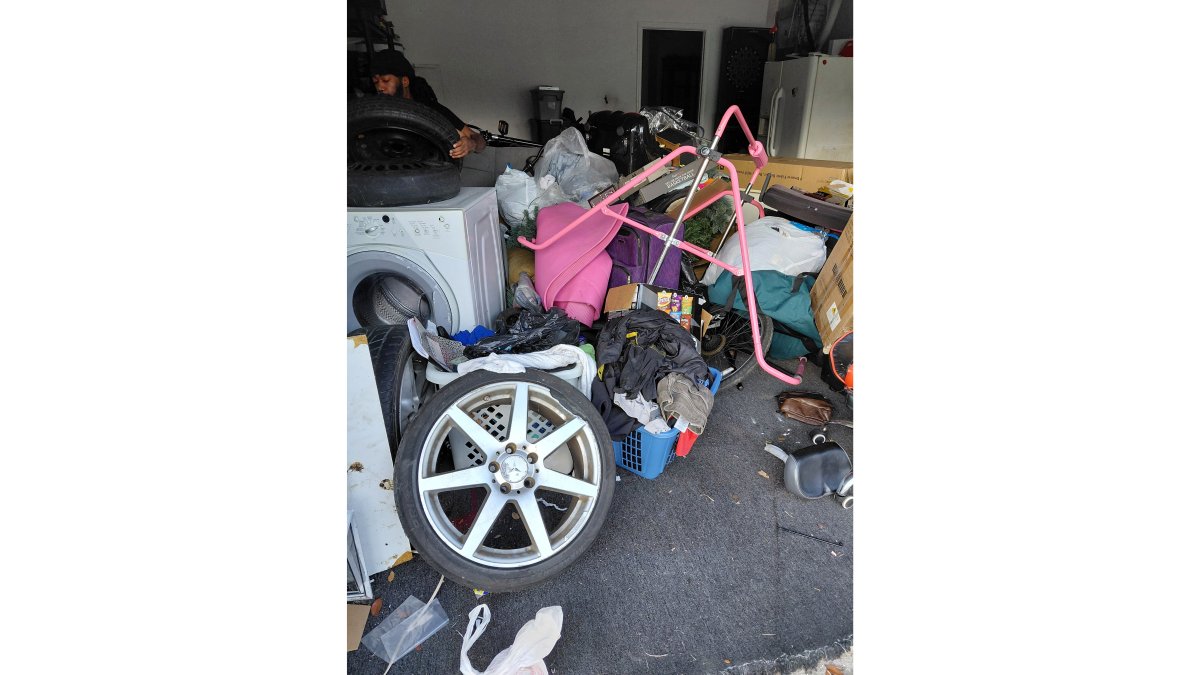
At Mike's Top Junk Removal, we help homeowners with full house cleanouts, downsizing, or tackling years of accumulated items.

Household Hazardous Waste Accepted Items at Collection Centers
Collection centers accept many household hazardous waste items, but the exact list varies by facility. Knowing what's accepted prevents rejection at the drop-off point.
Paint and Coating Materials
Paint is one of the most commonly accepted items at collection facilities. Latex paint, oil-based paint, stains, varnishes, and primers all qualify. Never pour wet paint down the drain or into regular trash.
Sealed or partially used cans are both acceptable. If a can is leaking or damaged, seal it in a plastic bag before transport. Some facilities accept aerosol spray paint, though a few restrict pressurized containers, check with your local facility first.
Chemicals, Solvents, and Cleaning Solutions
Household chemicals make up a significant portion of what collection centers receive: pesticides, herbicides, fungicides, insecticides, plus cleaning solutions like degreasers, floor strippers, and oven cleaners.
Keep these materials in their original containers when possible. If the label is missing, tell staff what you remember about the product. Never mix chemicals or transfer them to unmarked containers.
Batteries, Oil, and Fuel
Batteries of all types, car, rechargeable, and single-use, are accepted at hazardous waste facilities. Automotive oil, transmission fluid, and brake fluid are standard acceptances. Gasoline, diesel, and kerosene are typically accepted, though some facilities limit quantity per visit.
Store batteries and fluids in leak-proof containers. If a battery is leaking, bag it to prevent contamination during transport. Never combine different types of oil or fuel in one container.
Household Hazardous Waste Preparation and Transport
Proper preparation prevents accidents during transport and lets facility staff handle your materials safely.
Gather all hazardous materials in one location and keep everything in original containers whenever possible.
Load materials in your trunk or truck bed, never the passenger cabin, and ensure containers won't tip or slide.
Never mix different types of hazardous waste in one container.
Keep your vehicle well-ventilated during transport.
Wear gloves when handling containers and wash your hands after loading.
Tampa Household Hazardous Waste Collection Locations and Hours
Below is a consolidated breakdown of the residential hazardous waste drop-off options serving households in the area, what each takes, and how to confirm the schedule before you load the car.
County-Run Collection Sites
The county environmental services program runs household hazardous waste collection for residential generators, built around a permanent collection site plus periodic satellite events. The schedule is the most common reason a drop-off trip fails.
Before you go, confirm three things on the county environmental services page:
- Which day the site is open. Permanent sites and satellite events run on different calendars, and satellite events are often limited to one weekend day per month.
- Whether an appointment is required. Some collection events are appointment-only, and walk-ups are turned away even with valid materials.
- Whether the site is closed for a holiday. Collection calendars commonly skip federal holidays and the days immediately around them.
County environmental services, household hazardous waste program page
What Each Type of Site Accepts
Not every site takes every material. The practical split looks like this:
| Material | Permanent collection site | Satellite collection event | Retailer take-back |
|---|---|---|---|
| Latex and oil-based paint | Yes | Usually | Paint retail locations |
| Pesticides, herbicides, solvents | Yes | Usually | Rarely |
| Automotive oil, transmission fluid | Yes | Sometimes | Auto parts retailers |
| Car and rechargeable batteries | Yes | Usually | Battery and auto retailers |
| Gasoline, diesel, kerosene | Yes, quantity limited | Rarely | No |
| Electronics and TVs | Often | Sometimes | Electronics retailers |
| Propane tanks, ammunition, fireworks | No | No | No |
| Medical sharps | No | No | Pharmacy sharps programs |
Treat that table as a starting point, not a guarantee. Facility-level rules change, and the only reliable answer is the current accepted-items list published by the program operating that specific site.
Hours, Seasonality, and Holiday Closures
Collection hours aren't a standard retail schedule, typically a permanent site open on set weekdays plus a weekend window, with satellite events layered on top. Two things trip people up:
- Seasonal shifts. Some programs expand hours during spring and fall cleanup seasons and cut back in summer.
- Weather cancellations. Outdoor collection events are sometimes canceled for storms, and the cancellation is posted rather than called in.
Residency Requirements and Proof of Identification
Collection programs serve households in the service area, and staff verify that at the gate. Bring a government-issued photo ID plus one document tying you to a service-area address, a utility bill, lease agreement, or property tax statement all commonly qualify.
If you are dropping off on behalf of a family member, expect to need documentation from that household, not just your own. Programs that allow this usually want the account holder's ID or a signed note along with proof of address.
Quantity Limits and What Counts as Household Waste
Most programs cap how much a single household can drop off per visit, typically a limit on liquid volume plus a limit on container count, with stricter caps on fuels and solvents due to site storage constraints.
Materials from a business, rental property turnover handled commercially, or a contractor job generally do not qualify as household waste and will be refused.
Electronics Recycling Drop-Off Options
Electronics contain hazardous materials like mercury, lead, and cadmium that require specialized recycling.
Old computers, monitors, televisions, and other devices can be dropped off at county hazardous waste collection sites.
Dedicated electronics recyclers often accept a wider variety of devices and may offer convenient drop-off locations.
Data security matters when disposing of computers or devices with personal information.
Items Prohibited at Drop-Off Facilities
Knowing what facilities won't accept prevents wasted trips and helps you find appropriate disposal methods.
Most facilities prohibit propane tanks and other pressurized containers. Ammunition, explosives, and fireworks are never accepted.
Medical waste like needles and sharps requires specialized disposal, contact your healthcare provider or pharmacy.
Some facilities restrict quantities of certain items or prohibit specific pesticides and herbicides.
Alternative Disposal Options When Drop-Off Is Not Possible
When you can't get to a collection site, no vehicle, no mobility, or a house full of material that won't fit in a car, here's how the alternatives work and where each breaks down.
Retailer Take-Back Programs
Retail take-back is the most underused option, and it works best for a narrow set of materials:
- Automotive fluids and batteries. Auto parts retailers commonly accept used motor oil, transmission fluid, and lead-acid car batteries. Some limit how much you can bring per visit.
- Rechargeable and single-use batteries. Battery and hardware retailers often run drop boxes for household batteries. Button cells and lithium batteries are the ones most likely to be accepted.
- Paint. Paint retail locations in many markets participate in paint stewardship programs that accept leftover latex and oil-based paint. Confirm the specific store participates before loading up.
Call the specific store first. Participation varies by location even within the same chain, and a store that accepted a material last year may have dropped the program.
Manufacturer Take-Back and Mail-Back
Some manufacturers run take-back or mail-back programs, particularly for batteries, light bulbs, and small electronics. They're useful when the material is small and the nearest collection site is far away, but you're responsible for safe packaging and the program dictates what it accepts.
Professional Junk Removal and Cleanout Services
When the volume is large, the material is mixed, or nobody in the household can make the trip, a professional removal service is the practical answer.
A removal crew handles the sorting problem that stops most homeowners: separating items from ordinary junk, then routing each category to the right disposal channel, household hazardous waste, electronics recycling, or standard debris disposal.
This is also the right call for situations that a drop-off site will not accept:
- Property cleanouts where the material did not come from your own household.
- Foreclosure cleanouts and rental turnovers, which are typically classified as commercial rather than household waste.
- Whole house cleanouts with mixed contents that would take multiple trips to sort.
residential junk removal service
If you're coordinating a cleanout and aren't sure what qualifies as household hazardous waste versus ordinary junk, that's exactly the sorting question a removal team answers on site.
Household Hazardous Waste Collection Events
Periodic collection events are the third path and best fit a household with a small amount of material and no permanent site nearby. Events usually run one or two days, often on a weekend, and sometimes require advance registration. Watch the county environmental services page for announcements, treat the event calendar as the source of truth, not a directory listing.
Matching the Option to the Situation
| Situation | Best first option |
|---|---|
| A few cans of paint and old batteries | Retail take-back or the next collection event |
| Used motor oil and a car battery | Auto parts retailer |
| Small electronics and old phones | Retailer or manufacturer take-back |
| Mixed household chemicals, no vehicle | Professional removal service |
| Full house, estate, or foreclosure cleanout | Professional removal service |
| Large quantity of fuel or solvents | Permanent collection site, quantity limits confirmed first |
Frequently Asked Questions
Where can I drop off household hazardous waste in the Tampa area?
Hillsborough County operates drop-off facilities that accept household hazardous waste from residents. The main collection center is located in the Tampa area and operates on specific days and hours throughout the month. Check the county's website or call ahead to confirm current operating hours, as schedules may change seasonally or for holidays. Some facilities require appointments, while others operate on a first-come, first-served basis during designated collection days.
What household items are considered hazardous waste?
Common household hazardous waste includes paint and wet paint, solvents, cleaning solutions, pesticides, batteries, motor oil, fuel, flammable materials, and explosive materials. Electronics like computers, televisions, and monitors may also be considered hazardous due to their components. Aerosol cans, antifreeze, and pool chemicals are additional examples. When in doubt about whether an item qualifies, contact your local collection facility before bringing it in.
How should I prepare household hazardous waste for drop-off?
Keep all hazardous materials in their original containers whenever possible, as this helps staff identify contents and handle them safely. Seal all containers tightly to prevent leaks during transport. Place wet paint cans upright and ensure lids are secure. Store materials in a cool, well-ventilated area of your vehicle. Never mix different chemicals or materials in a single container. Transport only what you can safely carry, and inform collection staff of any damaged or leaking containers upon arrival.
Can I bring electronics to a household hazardous waste collection?
Yes, many household hazardous waste collection centers accept electronics as part of their electronics recycling drop-off programs. Items like televisions, computers, monitors, and other electronic equipment containing hazardous components can typically be dropped off at the same facility. Some centers may have separate drop-off areas for electronics. Call ahead to confirm that the specific electronics you need to dispose of are accepted, as policies can vary by facility.
Do I need to be a resident to use drop-off facilities?
Yes, most household hazardous waste collection facilities in Hillsborough County are limited to county residents. You will need to provide proof of residency, such as a driver's license, utility bill, or lease agreement showing your address within the service area. Bring valid identification with you to the facility. Non-residents may be turned away, so verify your eligibility before making the trip.
What items are prohibited at hazardous waste drop-off sites?
Facilities typically do not accept items like ammunition, explosives, radioactive materials, or medical waste. Asbestos, certain industrial chemicals, and large quantities of materials beyond residential limits may also be prohibited. Compressed gas cylinders, propane tanks, and certain types of batteries have specific handling requirements. Always check with your local facility about their complete list of prohibited items before attempting to drop off any material.