

Table of Contents
- Why Move-Out Inspections Stall Tampa Turnovers
- Step 1: Build a Move-Out Inspection Checklist for Landlords
- Step 2: Standardize Your Rental Property Inspection Report Template
- Step 3: Map Your Property Turnover Timeline
- Step 4: Coordinate Tenant Turnover Maintenance and Junk Removal
- Step 5: Assign Workflow Ownership and Track Inspection Metrics
- Common Mistakes That Slow Down Move-Out Inspections
- Frequently Asked Questions
Last Updated: October 4, 2026
Why Move-Out Inspections Stall Tampa Turnovers
A move-out inspection is the documented walkthrough of a rental unit after a resident leaves, used to record condition, assign repair responsibility, and support deposit decisions. At Mike's Top Junk Removal, we see the same pattern across Tampa rentals: the inspection itself takes an hour, but the junk left behind sits for a week.

That gap is where turnover money disappears. Every idle day between residents is a day without rent, and the unit still carries its mortgage, insurance, and utility costs.
Here's the core problem most guides skip: the inspection is rarely the bottleneck. The bottleneck is everything that happens after it. Items get tagged for removal, then wait on a scheduling call. Repairs wait on the removal. Cleaning waits on the repairs.
So the fix isn't a better clipboard. It's a workflow that treats inspection, hauling, and repair as one sequence instead of three separate errands.
Below, we'll walk through a five-step process Tampa property managers can run on every turnover, plus the Florida rules and evidence standards that decide whether your deposit deductions hold up.
The Real Cost of a Slow Turnover
Turnover cost isn't just lost rent. It's the sum of vacancy days, make-ready labor, and the carrying costs that never pause.
Most managers track the first one and ignore the rest. A unit that sits empty for extra days costs more than just the lost rent. Insurance, taxes, and loan payments continue on schedule.
The practical takeaway: treat every day of vacancy as a line item. When you can see the daily number, faster hauling stops looking like an expense and starts looking like savings.
Florida Rules That Shape Your Move-Out Process
Florida law gives tenants specific rights around deposits, and those rights shape how you document a move-out inspection.
Under Florida Statutes Section 83.49 on security deposits, landlords must follow set timelines for returning a deposit and providing notice of any claim against it. Florida also requires that tenants get a reasonable opportunity to be present at the inspection.
That last point matters more than most managers realize. Skip the invitation, and you weaken your position on every deduction that follows.
So build the notice into your scheduling template. Send it, log it, and keep the record with the inspection report.
Step 1: Build a Move-Out Inspection Checklist for Landlords
A move-out inspection checklist for landlords is a room-by-room list of what to photograph, test, and note, so every unit gets judged the same way. Consistency is what makes deductions defensible.
The checklist below covers the areas that generate the most disputes.
- Walls: holes, scuffs, unauthorized paint colors
- Floors: stains, burns, pet damage, missing tiles
- Doors and locks: function, damage, missing hardware
- Windows and blinds: cracks, broken cords, missing screens
- Kitchen: appliance function, cabinet condition, counter damage
- Bathrooms: caulk, grout, fixtures, water stains
- Plumbing: running toilets, leaks under sinks
- Electrical: outlets, switches, light fixtures
- HVAC: filter condition, unit function, thermostat
- Exterior: patio, fence, shed, yard condition
Room-by-Room Items to Document
Walk each room in the same order every time. Start at the entry and move clockwise.
Note the condition, not your opinion. "Three-inch scratch on bedroom door" beats "door looks rough."
Test everything that a resident used daily. Run the water. Flip the switches. Open the windows. A working item that fails at move-in becomes your problem, not theirs.
Photo and Video Evidence Standards
Photos win deposit disputes. Vague notes lose them.
Follow these standards on every unit:
- Shoot wide shots first, then close-ups of each issue
- Include a reference object for scale, like a coin or your hand
- Timestamp everything and keep originals unedited
- Record a slow video walkthrough of the full unit
- Store files by unit number and date, not by phone album
Step 2: Standardize Your Rental Property Inspection Report Template
A rental property inspection report template is the fixed document you fill in on every turnover, so reports from different staff can be compared side by side.
The template should capture the same fields every time:
| Field | What to Record | Why It Matters |
|---|---|---|
| Room | Named area of the unit | Keeps findings organized |
| Item | Specific fixture or surface | Ties damage to a deduction |
| Condition | Move-in vs. move-out state | Shows what changed |
| Evidence | Photo or video file ID | Supports the claim |
| Charge | Repair or replacement needed | Documents the decision |
| Owner | Staff or vendor assigned | Prevents dropped tasks |
Keep the template digital if you can. Paper forms get lost, and photos end up in someone's phone instead of the unit file.
One more thing: compare against the move-in report, not against a perfect unit. The move-in condition report is your baseline. Without it, every deduction becomes an argument.
Step 3: Map Your Property Turnover Timeline
A property turnover timeline is the day-by-day plan that runs from notice to lease-ready, with each task assigned to a person and a date.
Most Tampa turnovers follow this shape:
- Notice received: log the move-out date and send inspection notice
- Pre-move-out: confirm utilities, schedule the inspection
- Move-out day: collect keys, walk the unit, photograph everything
- Day one after move-out: clear abandoned items and bulk debris
- Days two to five: repairs, paint, and cleaning
- Final walkthrough: confirm rent-ready condition
- Listing live: market the unit
The order matters. Hauling sits before repairs because crews can't patch walls behind a couch.
Scheduling Around Tampa Heat and Storm Season
Tampa summers change how you schedule turnover work. Heat and afternoon storms push outdoor tasks, and storm season can delay hauling if debris piles up.
Book exterior work early in the day. Keep a weather buffer in your timeline during storm season. And when a storm passes through, expect a backlog of removal requests across the area, so schedule early.
Step 4: Coordinate Tenant Turnover Maintenance and Junk Removal
Tenant turnover maintenance coordination means running repairs and removal on the same timeline, with one point of contact instead of three.
This is where most turnovers stall. The unit needs a new outlet, a paint touch-up, and a truckload of old furniture gone. Three vendors, three schedules, three chances for a no-show.
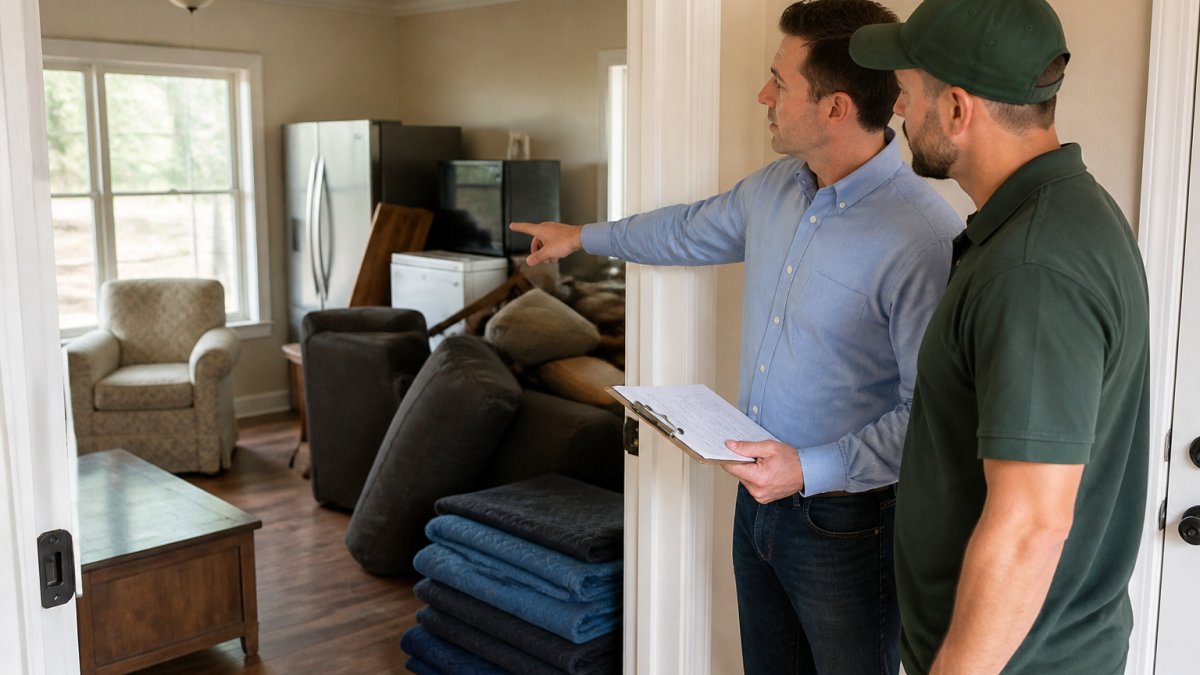
Combine the work where you can. A single crew that clears the unit lets your repair techs start the same day.
Handling Abandoned Belongings and Bulk Debris
Abandoned property needs a paper trail before it leaves the unit. Document what was left, photograph it, and follow the notice steps your lease and state law require.
Once that's handled, the removal itself is straightforward for the items that slow turnovers most:
- Old furniture and mattresses
- Refrigerators and other appliances
- Garage and shed contents
- Bulk trash and yard debris
- Renovation debris from repairs
For property managers with several units, this is where a hauling partner earns its keep. Mike's Top Junk Removal works with property managers across the Tampa area on rental cleanouts, with same-day and next-day availability and upfront pricing before the truck arrives. We handle the lifting, loading, and disposal, including appliance and furniture pickup, so your crew can move straight to repairs.

Step 5: Assign Workflow Ownership and Track Inspection Metrics
Someone has to own the turnover from notice to lease. Without a named owner, tasks fall through.
Assign one person per turnover. That person schedules the inspection, books the haul, and confirms each task closes.
Track a short list of numbers on every unit:
- Days from move-out to rent-ready
- Inspection completed on schedule, yes or no
- Removal booked before inspection, yes or no
- Repair items open past target date
- Deposit deductions disputed
Review these monthly. If days-to-rent-ready creeps up, the cause is usually in the scheduling order, not the crew.
Common Mistakes That Slow Down Move-Out Inspections
The same errors show up again and again. Each one adds days.
- Booking removal after the report is finished
- Skipping the tenant's right to be present
- Using opinion instead of documented condition
- Comparing the unit to new, not to move-in condition
- Letting photos live on a personal phone
- Leaving one person to juggle every vendor
- No weather buffer during storm season
Fix the order of operations first. Most of the rest follows.
Frequently Asked Questions
What should a property manager check during a move-out inspection?
Walk every room and document walls, floors, doors, windows, fixtures, and appliances against your move-in condition report. Check for holes, stains, burns, broken hardware, and missing items. Test smoke detectors, outlets, and plumbing. Note any damage that exceeds normal wear and tear, and photograph everything before repairs begin. A written move-out inspection checklist keeps the process consistent across every unit.
How do you document a rental property's condition after a tenant moves out?
Use timestamped photos and short videos for each room, plus a written rental property inspection report template that lists every finding with a location and description. Store everything digitally so it is easy to attach to a security deposit deduction notice. Florida law requires you to give the tenant written notice of any deposit claim, so clear documentation protects both sides if a dispute arises.
How long should a move-out inspection take?
A standard one-bedroom unit takes 30 to 45 minutes when you follow a move-out inspection checklist. Larger homes or units with heavy damage can run 90 minutes or more. Booking inspections in blocks of two or three per morning keeps your property turnover timeline predictable and leaves the afternoon open for maintenance coordination and vendor scheduling.
How should property managers handle items left behind after a tenant moves out?
Photograph everything left behind, then follow Florida's abandoned property rules before disposing of anything. Once the legal waiting period passes, schedule a bulk pickup for furniture, appliances, and debris. A local junk removal service can clear a whole unit in one visit, which shortens vacancy and gets the property rent-ready faster.
Turnover speed comes down to sequencing, not effort. The managers who win are the ones who book the haul before they finish the report and keep one person accountable from notice to lease. Mike's Top Junk Removal handles the removal side of that workflow for Tampa-area rentals, with free estimates, upfront pricing, and same-day or next-day availability, plus full-service loading so your team never touches the debris. Get your free estimate and keep your next turnover on schedule.