

Table of Contents
- Hoarding Cleanup Cost Per Square Foot: The Real Numbers
- What a Professional Hoarder Cleanout Service Includes
- How to Get an Accurate Junk Removal Cost Estimate
- Comparing DIY Cleanup vs. Property Cleanout Services
- Hidden Fees and Regulatory Compliance in Hoarding Cleanup
- Why Square Footage Alone Doesn't Determine Hoarding Cleanup Cost
- Getting Your Free Hoarding Cleanup Assessment
- Frequently Asked Questions
Last Updated: September 4, 2026
Hoarding Cleanup Cost Per Square Foot: The Real Numbers
Hoarding cleanup cost per square foot is a pricing metric used by professional cleanout companies to estimate the expense of clearing a cluttered property. While useful as a starting point, the final cost depends far more on the severity of the condition and the volume of debris than on the physical dimensions of the home.

Cleanup pricing falls into three distinct tiers based on how deeply the clutter has impacted the living space. Understanding which tier applies to your property is the first step toward an accurate junk removal cost estimate.
Light vs. Moderate vs. Extreme Hoarding Pricing
Light hoarding involves rooms that are cluttered but still walkable, with clear pathways and accessible doors and windows. Cleanup here is primarily a removal task: hauling out old furniture, boxes, and general household debris, requiring the least labor and fewest disposal trips.
Moderate hoarding means rooms have narrow pathways, stacks of items against walls, and some areas that are inaccessible. Professional crews must sort through belongings, identifying items that can be salvaged versus those destined for disposal, requiring more time, more workers, and additional waste disposal trips.
Extreme hoarding is characterized by floor-to-ceiling accumulation that blocks entry to rooms, creates structural concerns, and often involves hazardous materials like spoiled food, animal waste, or biohazards. This is a true hoarding remediation project requiring personal protective equipment, specialized sanitization services, and careful debris removal over multiple days.
| Severity Level | Condition of Property | Typical Labor Intensity | Approximate Duration |
|---|---|---|---|
| Light | Walkable, clutter piled in corners | Low: simple hauling | 4-8 hours |
| Moderate | Narrow pathways, stacks against walls | Medium: sorting and removal | 1-2 days |
| Extreme | Rooms inaccessible, biohazards present | High: full remediation | 2-5 days |
The difference between light and extreme hoarding is not just a matter of square footage; it is a matter of hours on site, the number of truckloads, and whether specialized biohazard cleanup is required. A 2,000-square-foot home with light clutter costs meaningfully less to clear than a 1,000-square-foot apartment in an extreme hoarding condition, which is why a professional site inspection is essential.
What a Professional Hoarder Cleanout Service Includes
A professional hoarder cleanout service is a comprehensive property restoration process that goes far beyond throwing items into a dumpster. It includes the physical removal of all accumulated belongings, sorting salvageable items from trash, disposal of debris at licensed facilities, and sanitization of affected surfaces.
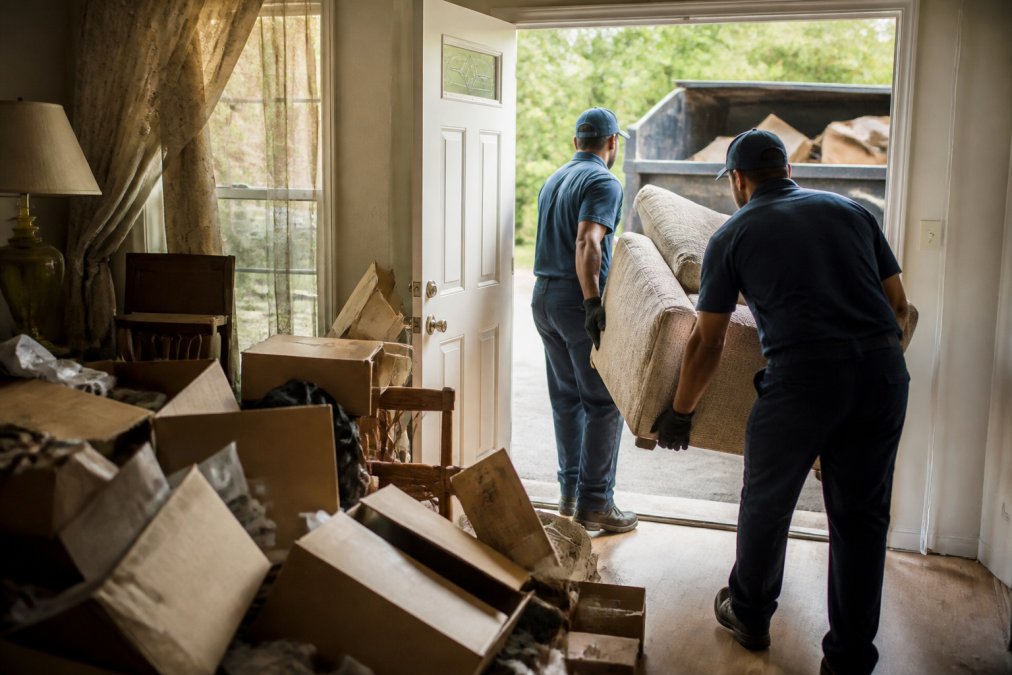
The scope of work typically covers furniture removal, appliance pickup, and disposal of general household waste. Crews also handle hazardous materials such as expired chemicals, paint cans, and potentially contaminated items, followed by a deep cleaning pass to address dust, odors, and surface contamination.
Most reputable hoarder cleanout providers, including the National Association of Professional Organizers' guidance on hoarding, emphasize that the goal is not just removal but making the space livable again. This means the team must work methodically, often in stages, to avoid overwhelming the occupant and to ensure that items of sentimental or financial value are not discarded without review. The labor-intensive nature of this sorting process is a primary driver of the overall hoarding cleanup cost.
How to Get an Accurate Junk Removal Cost Estimate
Getting an accurate junk removal cost estimate requires more than a phone call describing your situation; it demands a physical inspection of the property. Because costs vary so widely with severity, any estimate given without seeing the space is, at best, a rough guess.
The Role of Site Inspection and Volume Assessment
During a site inspection, a professional estimator evaluates several key factors that determine the final price. They measure the volume of debris in terms of truckloads, identify items requiring special disposal, and check for obstacles like narrow stairways or elevators that complicate removal.
The volume of material is typically calculated by how much space it occupies in a standard disposal truck. A crew estimates the number of loads required and factors in the dumpster rental fees or landfill charges associated with each trip. They also assess the presence of hazardous materials, which may trigger additional regulatory compliance steps and higher disposal costs.
A professional estimator will also discuss the timeline, because a cleanup that takes several days accrues more labor cost than a one-day project. Many property cleanout services structure pricing around daily crew rates plus disposal fees, which is why a clear understanding of the project scope is essential.
Comparing DIY Cleanup vs. Property Cleanout Services
The decision to handle a hoarding cleanup yourself versus hiring property cleanout services often comes down to a tradeoff between money and time, but the hidden costs of a DIY approach are frequently underestimated. Renting a dumpster, purchasing personal protective equipment, and taking time off work all add up quickly.
The True Cost of a DIY Cleanout
A DIY approach is not as simple as loading a pickup truck and making a few trips. Most residential waste haulers and municipal bulk trash pickup services have strict rules about what they will accept. Items like mattresses, electronics, and construction debris often require special handling or separate pickup appointments, which can add days to your timeline.
Renting a dumpster introduces its own set of challenges. Rental fees are typically charged per week, and the base price often covers only a set weight limit, with substantial overage charges for exceeding it. The dumpster needs to be on a solid, level surface, and you may need a municipal permit if it must be placed on a public street.
The Hidden Costs of Time and Labor
The most significant cost in a DIY cleanup is often your own time. A project that a professional crew of four can complete in two days might take two homeowners several weekends, prolonging the period during which the property remains hazardous. Moving heavy furniture and bags of debris without proper training can also lead to injuries resulting in medical bills and lost wages.
The Professional Advantage: A Transparent Cost-Benefit Analysis
Professional property cleanout services provide a clear value proposition beyond simple labor. They bring a crew trained in safe lifting and debris removal, minimizing injury risk to both workers and property. They arrive with the correct equipment, including heavy-duty gloves, respirators, and industrial-grade trash bags, and they handle the entire disposal process, from loading their truck to paying disposal fees at a licensed facility.
Perhaps most importantly, professionals provide a structured approach to the emotional challenge of a hoarding cleanup. They work methodically, often in stages, to sort through belongings and identify items of value, a process that can be less overwhelming for the occupant than making those decisions with family members. When you factor in the cost of your time, injury risk, and equipment and disposal expenses, the financial gap between a DIY effort and a professional service narrows considerably.
Hidden Fees and Regulatory Compliance in Hoarding Cleanup
Hoarding cleanup cost per square foot estimates can miss several hidden fees that only surface once the project begins, and regulatory compliance is a major source of these surprises. Items like old paint, solvents, electronics, and appliances containing refrigerants cannot be thrown into a standard dumpster. They require special handling and disposal at designated facilities, carrying additional fees passed on to the homeowner.
The Cost of Hazardous Waste and E-Waste
The most common source of unexpected fees is the presence of materials requiring special disposal. The Environmental Protection Agency's guidelines on household hazardous waste outline specific procedures for disposing of materials like pesticides, batteries, and fluorescent bulbs. In practice, a professional crew must separate these items, transport them to a designated collection facility, and pay a per-item or per-pound disposal fee, which includes the additional labor time to identify, sort, and safely handle these materials.
Electronics, or e-waste, are another major cost driver. Many states mandate the recycling of televisions, computers, and other electronic devices, which cannot be sent to a standard landfill and often carry a recycling fee. Similarly, appliances like refrigerators and air conditioners contain refrigerants that must be recovered by a certified technician before the unit can be scrapped.
Municipal Rules and Permit Requirements
Beyond hazardous waste, there are often municipal rules about bulk trash pickup and the maximum weight allowed in residential dumpsters. Overloading a dumpster can lead to additional charges or refusal of pickup, delaying the project. A reputable company handles these compliance issues as part of their service, but you should always ask upfront whether disposal fees and regulatory costs are included in the quoted price or billed separately.
How to Uncover Hidden Costs Before You Commit
The key to avoiding surprise fees is to ask the right questions during the estimate process. Ask specifically about the handling of paints, chemicals, electronics, and appliances, and whether the quoted price includes all disposal fees or if those are calculated based on the final weight of the debris.
The Legal and Municipal Compliance Angle for Urgent Cases
For property managers, landlords, or family members dealing with a severe hoarding situation, there is another layer of urgency: legal and municipal compliance. Many local health departments have codes regarding unsanitary conditions, and a property posing a public health risk can result in fines or even an order to vacate. A professional cleanout service that understands local regulations can help ensure the property is brought into compliance quickly and safely.
Why Square Footage Alone Doesn't Determine Hoarding Cleanup Cost
The square footage of a home is a poor predictor of cleanup cost because it does not account for the vertical accumulation that defines hoarding. A 1,500-square-foot home with clutter stacked four feet deep contains far more debris than the same home with clutter only in the corners. The true driver of cost is the cubic volume of material, not the floor area, which is why professional estimators rely on truckload counts rather than a simple price per square foot.
Accessibility also plays a major role that square footage ignores. A home with a ground-floor entrance and a driveway for the truck is far easier to clear than a third-floor apartment accessed by a narrow stairwell. Every additional trip up and down stairs adds labor time, increasing the total cost.
The condition of the items themselves matters as well. A home filled with valuable antiques requires careful handling and sorting, which slows the process. A home filled with garbage and spoiled food requires biohazard cleanup protocols, adding to the cost. These factors make each hoarding cleanup a unique project that demands a customized estimate.
Getting Your Free Hoarding Cleanup Assessment
The most reliable way to understand the hoarding cleanup cost for your specific property is to request a professional assessment. A free estimate from a qualified team gives you a concrete number based on an actual inspection of your home, rather than a ballpark figure from a website.
When you contact a professional service, be prepared to describe the severity of the situation honestly and to allow access to all affected areas of the home, as the estimator needs to see the full scope of the project.
At Mike's Top Junk Removal, our hoarder cleanout service is built around transparency and reliability. We offer free estimates with upfront pricing, and our family-owned team provides same-day and next-day availability to address urgent situations. We handle residential and commercial projects with the same care, ensuring eco-friendly disposal and a thorough cleanout that lets you move forward.
Frequently Asked Questions
How much does it cost to professionally clean a hoarder's house?
Professional hoarding cleanup costs vary widely based on the severity of the situation, the property's size, and your location. Pricing is often estimated per square foot, but a better measure is the volume of items and the labor required. For a light cleanup, you might pay an hourly labor rate, while extreme hoarding with biohazard cleanup will cost significantly more. The most accurate way to get a price is to request a free on-site estimate from a professional service.
Does square footage accurately predict the total cost of a hoarder cleanout?
Square footage is a starting point, but it doesn't tell the whole story. A 1,500-square-foot home with moderate hoarding in every room will cost more than a 2,500-square-foot home where the hoarding is confined to a single garage. The real cost drivers are the volume of clutter, the severity level, and the presence of hazardous materials. A professional will assess the property to give you a total project estimate based on these factors.
What factors influence the final price of a hoarding cleanup project?
Several factors influence the final price. The primary cost drivers are the severity of the hoard, which dictates the labor-intensive nature of the job, and the total volume of waste requiring disposal. Additional costs can include dumpster rental fees, biohazard cleanup, and sanitization services if needed. The presence of hazardous materials or the need for mold remediation will also increase the total project estimate.
What is the difference between standard junk removal and hoarding cleanup?
Standard junk removal typically involves hauling away a few large items or a moderate pile of clutter. Hoarding cleanup is a more complex property cleanout service. It often requires a full team for several hours or days, dealing with extreme hoarding conditions, and may involve biohazard cleanup, decontamination, and odor neutralization. The severity assessment and project scope are much larger than a typical pickup.
Cleanup projects of this scale are physically demanding and emotionally draining, and the uncertainty of final costs only adds to the stress. Working with a team that provides a clear, upfront estimate removes that anxiety and lets you focus on the recovery process. Mike's Top Junk Removal combines transparent pricing with the professional equipment and experience to handle projects of any severity. Get my free estimate today and take the first step toward a clean, safe home.
This article was written using GrandRanker