

Table of Contents
- Understanding Bulk Trash Pickup for Apartment Complexes
- How to Schedule a Special Pickup
- Curbside Placement Requirements and Logistics
- Commercial Junk Removal vs. Municipal Collection
- Property Cleanout Services for Apartment Communities
- Furniture Removal Service Options and Best Practices
- Preventing Illegal Dumping and Maintaining Curb Appeal
- Frequently Asked Questions
Last Updated: September 2, 2026
Understanding Bulk Trash Pickup for Apartment Complexes
Managing bulk trash pickup for apartment complexes requires understanding what qualifies as bulky waste and how municipal collection systems work. For property managers overseeing multi-family housing, coordinating pickups across multiple units while maintaining curb appeal and ensuring compliance with local waste management regulations presents real operational challenges.
The challenge isn't just removing items; it's doing so efficiently, responsibly, and on a schedule that works for tenants and operations. According to the EPA's waste management framework, solid waste management in residential settings requires proper planning and adherence to local collection guidelines. This guide covers essential strategies property managers need to simplify bulk trash pickup operations and avoid common pitfalls.
What Qualifies as Bulky Items
Bulky items are large household goods that don't fit in standard trash containers and require special handling during collection. These typically include furniture, appliances, mattresses, and oversized debris that municipal waste services address through dedicated bulk trash pickup programs.
Common bulky items accepted in most collection programs include sofas, chairs, tables, bed frames, dressers, refrigerators, washers, dryers, dishwashers, water heaters, microwaves, air conditioning units, and mattresses. Wood doors, large mirrors, and wooden cabinets often qualify as well. The key distinction is size and weight, items that cannot be safely lifted into a standard garbage truck by hand typically fall into the bulky category.
Accepted vs. Prohibited Items
Not everything residents want removed qualifies for bulk trash pickup. Municipal solid waste programs maintain strict lists of accepted and prohibited items for safety, environmental, and liability reasons.
Prohibited items typically include hazardous materials like paint, chemicals, batteries, fluorescent bulbs, and electronics containing mercury or refrigerants. Tires, construction debris, and certain metals may be excluded depending on local regulations. Understanding these boundaries prevents scheduling conflicts, resident frustration, and potential liability issues.
How to Schedule a Special Pickup
Scheduling bulk trash pickup for apartment complexes involves more coordination than residential pickups because you're managing multiple units and timing constraints. Most municipalities offer dedicated bulk trash pickup services on specific schedules.
Using Online Scheduling Tools
Most waste management agencies now offer online service request portals where property managers can schedule special collections. Log into your municipality's waste management portal using your property account credentials, select your desired pickup date, specify the items you're disposing of, and confirm the collection window. The system generates a service request number and sends confirmation to your registered email.
Online scheduling provides documentation, you have a record of exactly when you requested pickup, what items you listed, and confirmation details. Some systems allow you to upload photos of items, which helps waste management crews prepare and ensures they bring appropriate equipment.
Pickup Windows and Service Requests
Bulk trash pickup rarely operates on the same schedule as regular trash collection. Most municipalities designate specific days or weeks for bulk item collection, and your service area determines when your complex falls into that rotation.
Pickup windows are typically 2-4 hour blocks. When you submit a service request, you're committing to having items placed at the curb by a specific date. Missing that deadline means waiting another cycle, often 30-60 days depending on your municipality's collection frequency.
Curbside Placement Requirements and Logistics
How you position bulky items at the curb directly affects whether they get collected. Waste management crews have specific requirements about placement, spacing, and accessibility.
Preparing Items for Collection
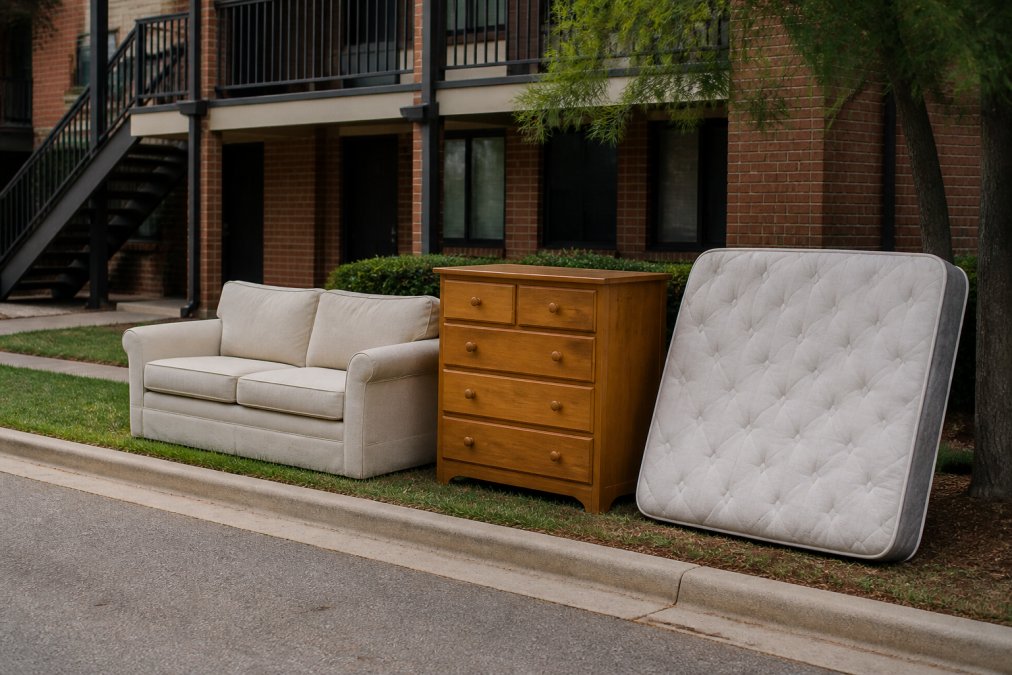
Items must be placed at the curb no earlier than the day before your scheduled pickup and removed by the end of the collection day if they weren't picked up. Bulky items should be grouped together in a designated area, typically near your dumpster or collection point, with at least 3-4 feet between grouped items and parked vehicles.
Disassemble items when possible. A bed frame takes up significantly less space if the headboard and frame are separated. Sofa cushions can be removed and stacked. Keep items dry when possible, as wet furniture absorbs weight and becomes harder to handle.
Multi-Family Housing Challenges
Apartment complexes face unique logistics challenges that single-family homes don't encounter. You're coordinating pickups across multiple units, managing resident expectations, and maintaining aesthetic standards while items wait at the curb.
The biggest challenge is timing. Residents often want items removed immediately, but bulk trash pickup operates on municipal schedules you can't control. Many property managers implement a policy where residents submit removal requests two weeks in advance. Someone needs to monitor the pickup window, ensure items are accessible, and verify that crews collected everything scheduled.
Access constraints also matter. If your complex has a gated entrance or limited driveway access, collection crews need clear directions about where to enter and how to reach your bulk waste collection point.
Commercial Junk Removal vs. Municipal Collection
Not all bulk waste situations work with municipal bulk trash pickup programs. Commercial junk removal services offer flexibility that government collection schedules can't match.

When Professional Removal Makes Sense
Municipal bulk trash pickup is free or included in your waste management fees, making it ideal for planned, routine removals. However, several situations warrant professional junk removal services instead.
Emergency removals, when a resident abandons a unit and leaves behind furniture and appliances, can't wait for the next bulk trash pickup cycle. Professional removal services can respond same-day or next-day, allowing you to prepare units for new tenants quickly.
Large-scale cleanouts also benefit from professional services. When clearing an entire unit or managing an estate cleanout, the volume of items often exceeds what a single bulk trash pickup can handle. Mike's Top Junk Removal specializes in commercial cleanouts and bulk removal services, handling everything from office equipment to multi-unit apartment cleanouts with proper disposal and recycling protocols.
Property Cleanout Services for Apartment Communities
Property cleanouts represent a specialized category of bulk waste removal that apartment managers encounter regularly. Whether handling abandoned units, preparing for new tenants, or managing estate situations, professional cleanout services simplify the process and ensure compliance with local regulations.
Handling Abandoned Units and Turnover Cleanouts
When a tenant abandons a unit, you inherit their abandoned belongings. Local law governs how long you must store these items and what procedures you must follow before disposal. Most states require a 30-60 day notice period, but requirements vary. Consulting your state's landlord-tenant laws clarifies your specific obligations.
Once the legal hold period expires, you need to remove and dispose of all abandoned items. Professional property cleanout services handle this end-to-end, assessing what's in the unit, removing all items, hauling them away, and ensuring proper disposal or recycling. This is faster and safer than coordinating multiple bulk trash pickups.
Turnover cleanouts between tenants prepare units for new residents. Even when a tenant moves out properly, the unit often needs deep cleaning and removal of items left behind. Professional cleanout services reduce your turnaround time and ensure units meet your standards.
Furniture Removal Service Options and Best Practices
Furniture represents the largest category of items in apartment bulk trash pickups. How you handle furniture removal affects both operational efficiency and environmental responsibility.
Donation and Recycling Alternatives
Before scheduling removal, consider whether items can be donated or recycled. A sofa in decent condition might find a second life through a local charity or furniture bank. Wooden furniture can be recycled. Metal frames and springs can be salvaged.
Local nonprofits, homeless shelters, and community organizations often accept furniture donations. Some organizations offer pickup services, eliminating your hauling responsibility. Recycling facilities accept certain furniture materials, with metal components, wooden frames, and upholstered materials separated and recycled.
The practical consideration is time and coordination. Arranging donations requires communication with nonprofits and scheduling pickups around their availability. If your complex needs items removed urgently, bulk trash pickup or professional removal becomes more practical.
Preventing Illegal Dumping and Maintaining Curb Appeal
Bulk waste sitting at the curb creates visual clutter and attracts illegal dumping. Property managers must balance the timing of bulk trash pickup with the need to maintain professional appearance.
Dumpster Management and Waste Diversion
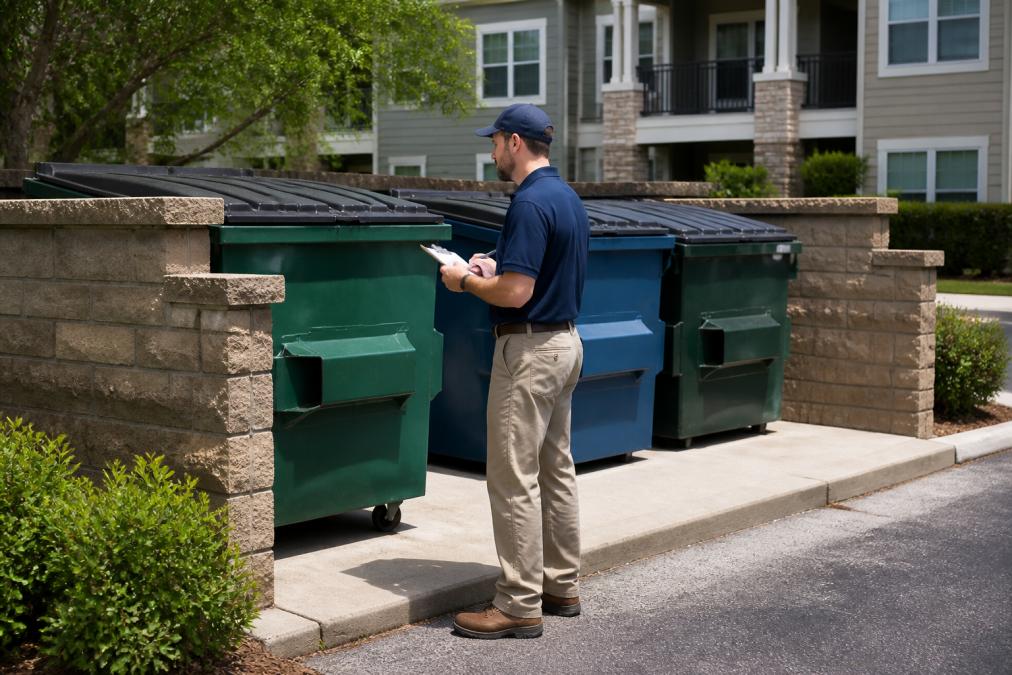
A well-maintained dumpster area prevents illegal dumping and reduces the need for frequent bulk trash pickups. When your dumpster is full or overflowing, residents look for alternatives. Maintaining regular dumpster service, scheduling pickups before overflow occurs, and keeping the area clean sends a message that your complex manages waste responsibly.
Clear signage around dumpster areas helps deter violations. Waste diversion, redirecting items from landfills to recycling or reuse, reduces the volume of items requiring bulk trash pickup. Educating residents about what qualifies for bulk trash pickup, when pickups occur, and where to place items prevents confusion and ensures compliance. Many property managers include waste management guidelines in lease agreements and resident handbooks.
Managing bulk trash pickup for apartment complexes requires coordination across municipal collection schedules, resident communication, property maintenance, and waste diversion goals. When municipal bulk trash pickup doesn't meet your timeline or scope, professional services fill the gap. Mike's Top Junk Removal provides same-day and next-day availability for apartment cleanouts, furniture removal, and commercial junk removal services. Get a free estimate today and discover how professional removal services can simplify your property management operations.
Frequently Asked Questions
Q: How does trash work in an apartment complex?
A: Apartment complexes use a combination of scheduled waste collection and special bulk trash pickup services. Residents dispose of regular trash in designated dumpsters on a collection schedule, typically weekly. Bulky items like furniture and appliances require separate handling through municipal special collection or professional junk removal services. Property managers coordinate these services to ensure efficient waste management and maintain community standards.
Q: What are the responsibilities of property managers regarding bulk trash?
A: Property managers must establish clear bulk trash policies, communicate pickup schedules to residents, arrange collection services, and monitor dumpster areas to prevent illegal dumping and overflow. They're responsible for ensuring items meet municipal guidelines, scheduling special pickups when needed, and selecting reliable removal services. Managers also need to educate residents about what qualifies as bulky items and proper placement procedures to maintain curb appeal and community safety.
Q: How can property managers prevent illegal dumping at apartment dumpsters?
A: Prevent illegal dumping by maintaining clean, organized dumpster areas with clear signage about acceptable items. Install security cameras, schedule regular inspections, and enforce resident policies about proper disposal. Provide convenient bulk trash pickup options so residents don't resort to unauthorized dumping. Work with professional waste management and junk removal services to handle overflow quickly. Regular communication about disposal options and consequences discourages improper practices and protects your property.
Q: What is the difference between municipal bulk pickup and private junk removal services?
A: Municipal bulk pickup is typically free or low-cost but operates on fixed schedules, accepts limited item types, and may require advance notice. Private junk removal services offer flexible scheduling, same-day or next-day availability, and provide door-to-door service. For apartment complexes with high turnover or multiple units, professional junk removal often proves more efficient and reliable than waiting for municipal collection schedules.
This article was written using GrandRanker