

Table of Contents
- What Constitutes Tenant Abandonment Under Florida Law
- Signs and Indicators of Abandonment
- Documenting Property Condition and Digital Evidence Collection
- Providing Written Notice of Abandonment to the Tenant
- The Reclamation Period and Retaking Possession of the Unit
- Handling Abandoned Personal Property and Property Cleanout Services
- Terminating the Rental Agreement and Protecting Your Legal Position
- Frequently Asked Questions
Last Updated: September 1, 2026
What Constitutes Tenant Abandonment Under Florida Law
Tenant abandonment is the act of a tenant vacating a rental unit without permission and ceasing to pay rent while still maintaining legal responsibility for the lease. Under Florida Statutes § 83.595, abandonment occurs when a tenant leaves the premises with no intent to return and stops meeting rental obligations. This distinction matters because abandonment differs from a formal eviction, it's an act by the tenant that creates specific legal obligations for the landlord.
At Mike's Top Junk Removal, we've worked with property managers across the region who face this situation regularly. Recognizing abandonment quickly is critical because it determines your legal pathway forward and protects you from liability.

Florida law requires clear evidence of abandonment intent. The statute specifies that a rental unit is considered abandoned when the tenant has been absent for 15 consecutive days after the rental period's end, rent is unpaid, and the premises show no evidence of occupancy. However, abandonment can also be established earlier if multiple indicators suggest the tenant has permanently vacated. The key is documenting that the tenant's departure is intentional and permanent, not temporary.
One common misconception: a tenant leaving for an extended trip is not abandonment. Abandonment requires both absence AND non-payment of rent, plus evidence that the tenant doesn't intend to return. Without the financial component, you cannot legally treat the unit as abandoned.
Signs and Indicators of Abandonment
Recognizing abandonment early protects your property and your legal position. Several physical and behavioral indicators suggest a tenant has abandoned the unit.
The most obvious sign is prolonged absence combined with unpaid rent. If a tenant hasn't paid rent for 15 days after the rental period ends and the unit shows no signs of occupancy, Florida Statutes § 83.595 presumes abandonment. However, you shouldn't wait for that full 15 days if other evidence is present.
Look for these specific physical indicators:
- No response to calls, texts, or certified mail after reasonable attempts to contact
- Utilities disconnected or showing no usage for extended periods
- Windows and doors locked with no access attempts
- Mail piling up outside the unit or returned as undeliverable
- Neighbors reporting no activity or sightings of the tenant for weeks
- Furniture and personal belongings removed or covered
- No vehicles in assigned parking spaces for an extended period
- Doors and windows showing signs of disrepair with no tenant maintenance attempts
A single indicator isn't conclusive. Abandonment requires a pattern. A tenant might disconnect utilities temporarily or travel for work. But when multiple signs appear together, unpaid rent, no communication, no activity, utilities off, abandonment becomes clear.
Documenting Property Condition and Digital Evidence Collection
Documentation is your legal foundation. Before you retake possession or hire a property cleanout service, photograph and record the unit's exact condition. This protects you against tenant claims that you damaged property or failed to preserve their belongings.
Start with exterior documentation. Take timestamped photos of the unit's front door, windows, any visible damage, and the surrounding area. Show the unit number clearly. Then move inside and photograph every room systematically: living areas, bedrooms, kitchen, bathrooms, and closets. Capture overall room views, then close-ups of damage, debris, or abandoned items.
Use your smartphone's native camera app, it automatically timestamps photos. Create a folder labeled with the unit number and date. Take at least 10-15 photos per room. If the unit contains hazardous materials, extreme odors, or pest activity, photograph evidence of those conditions too.
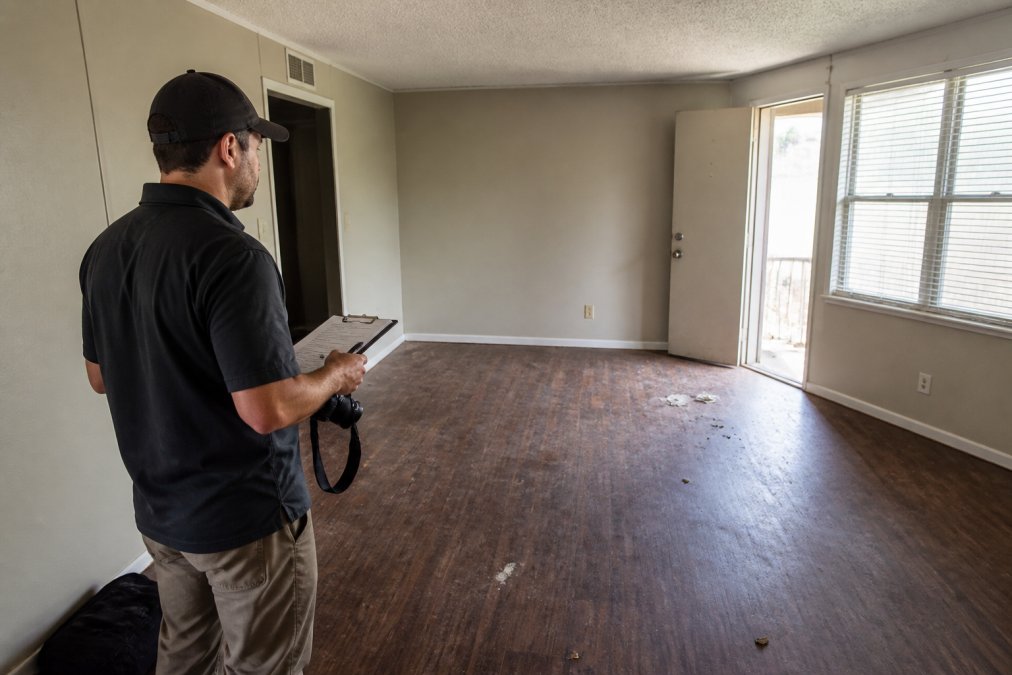
Digital evidence extends beyond photos. Create a written inspection report dated and signed. Include:
- Date and time of inspection
- Your name and title
- Tenant name and unit number
- Condition of locks and entry points
- Overall cleanliness and damage assessment
- List of abandoned items (furniture, appliances, personal belongings)
- Utility status (power, water, gas active or disconnected)
- Evidence of pest activity, mold, or hazardous conditions
- Any odors or safety concerns
Email this report to yourself with a timestamp. This creates a digital record admissible in court if disputes arise. Consider having a witness present during documentation, a fellow property manager, maintenance staff member, or even a notary public. Their signature strengthens your evidence.
Providing Written Notice of Abandonment to the Tenant
Written notice is legally required under Florida Statutes § 83.595. You cannot simply retake possession without notifying the tenant first. The statute mandates that you provide written notice of your intent to take possession of abandoned personal property.
The notice must include specific information:
- Your name and address as the landlord
- The tenant's name and the unit address
- A statement that the unit appears abandoned based on specific facts (unpaid rent, absence, utilities disconnected, etc.)
- A clear statement of your intent to retake possession
- The date you intend to retake possession (must allow reasonable time, typically 15 days minimum)
- A statement that the tenant has the right to reclaim personal property during the reclamation period
- Instructions for how the tenant can contact you to retrieve belongings
Send this notice via certified mail with return receipt requested. This creates proof of delivery. Keep the return receipt in your records. Also send a copy via regular mail as a backup. Document both mailings.
The notice period matters. Florida law requires you to give the tenant a reasonable opportunity to retrieve personal property. Fifteen days is the statutory minimum, but providing 30 days demonstrates good faith and reduces legal risk. During this period, the tenant can contact you and arrange to collect belongings.
Keep detailed records of every notice attempt. Document the dates you mailed notices, the return receipt dates, and any communication from the tenant in response. If the tenant contacts you during the notice period, respond in writing and keep copies of all correspondence.
The Reclamation Period and Retaking Possession of the Unit
The reclamation period is your window to regain control of the property. Under Florida Statutes § 83.595, once you've provided written notice, you have the right to retake possession after 15 days (or longer if you specified in the notice). This period allows the tenant a final opportunity to claim abandoned personal property.
During the reclamation period, the tenant can contact you and arrange to retrieve belongings. Many tenants don't respond, which strengthens your position. If the tenant contacts you, document the conversation in writing. If they arrange access, supervise the retrieval and have them sign a statement confirming they've collected their property or waived the right to do so.
After the reclamation period expires, you can legally retake possession. Change the locks immediately. Document the lock change with photos and a written record including the date, time, and who performed the work. This prevents unauthorized re-entry.
Before retaking possession, notify your insurance company. Explain that you've legally regained possession of an abandoned unit. This protects your coverage and prevents claims disputes later. Some insurers require specific documentation of the abandonment process.
If the unit contains abandoned personal property, do not dispose of it immediately. Florida law requires you to store it in a safe location for a minimum period. The specific storage requirements depend on the property type and value. Consult with a local attorney to confirm storage obligations for your jurisdiction.
Handling Abandoned Personal Property and Property Cleanout Services
Abandoned personal property creates legal and practical challenges. You cannot simply throw items away without following statutory procedures. Florida law requires specific handling of abandoned belongings.
First, inventory all abandoned items. List furniture, appliances, electronics, documents, and personal belongings separately. Photograph each category. This inventory protects you if the tenant later claims you disposed of valuable items improperly.
For items with clear owner identification (documents with names, mail, photos), store them separately and attempt to contact the tenant. Return identifiable personal items if the tenant requests them during the reclamation period.
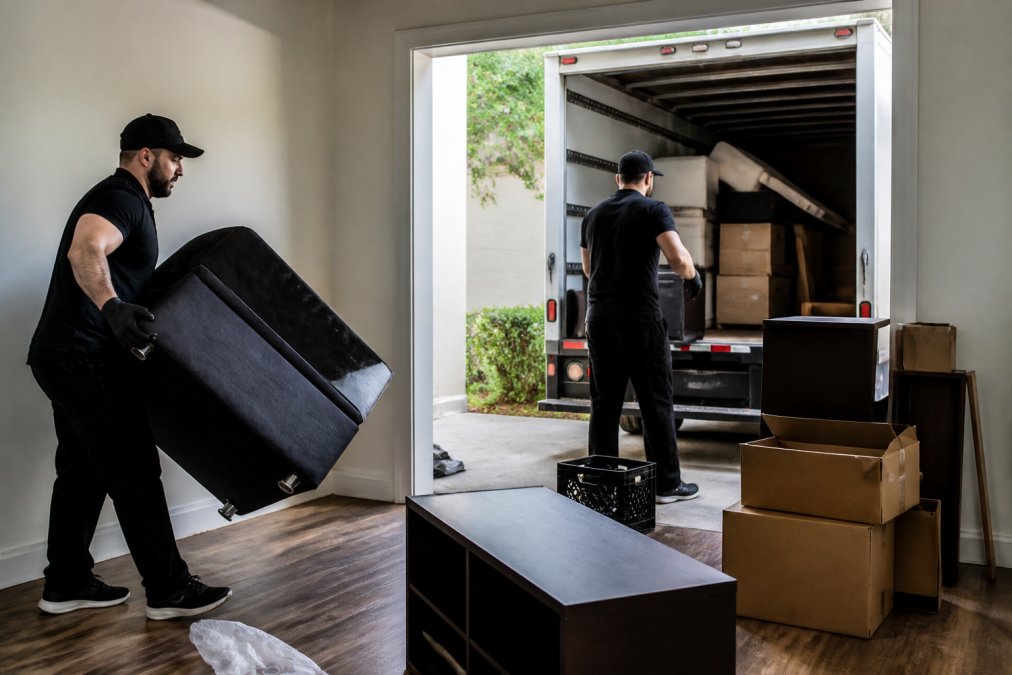
For items without clear ownership or items the tenant doesn't claim, you have options. Furniture and appliances in good condition can sometimes be donated to local charities, though this requires documentation. Items in poor condition or with damage require proper disposal.
When to Hire Professional Property Cleanout Services
Professional cleanout services handle the complexity and labor of removing abandoned property. This is where Mike's Top Junk Removal becomes invaluable. Our team specializes in clearing residential units efficiently while ensuring proper documentation and disposal.

Hiring professionals protects you legally because they follow proper disposal procedures and create records of what was removed and how. They handle hazardous materials, heavy items, and bulk debris safely. They also work quickly, same-day and next-day availability means your unit returns to rentable condition fast.
Mike's Top Junk Removal handles all aspects of abandoned property removal. Our team photographs items before removal, creates detailed removal records, and ensures eco-friendly disposal and recycling where possible. We work with property managers on tight timelines because vacant units generate zero revenue. Our transparent pricing and free estimates mean you know exactly what the cleanout costs before we begin.
For units with extreme conditions, hoarding situations, pest infestations, or hazardous materials, professional removal is essential. These situations require specialized handling and protective equipment. Attempting DIY removal in contaminated units exposes you to health and liability risks.
Terminating the Rental Agreement and Protecting Your Legal Position
Once you've retaken possession and removed abandoned property, you must formally terminate the lease. Abandonment doesn't automatically end the rental agreement, you must take explicit action.
Send a formal lease termination notice to the tenant via certified mail. The notice should state:
- The lease is terminated effective immediately due to abandonment
- The specific date you retook possession
- A summary of the abandonment evidence (unpaid rent, absence, notice sent, reclamation period completed)
- The final rent amount owed through the termination date
- Any damages to the unit beyond normal wear and tear
- Deductions from the security deposit, if applicable
- Instructions for the tenant to claim remaining security deposit funds
Keep this termination notice in your records. It formally closes the tenancy and protects you from future claims that the tenant still had lease rights.
Address the security deposit separately. Conduct a final walkthrough after professional cleanout. Document the unit's condition with photos. If the unit requires repairs beyond normal wear and tear, itemize those repairs and their costs. Deduct repair costs from the security deposit and provide an itemized accounting to the tenant within 15 days (or 30 days if the property is residential, per Florida Statutes § 83.49).
Send the security deposit accounting and any refund due via certified mail. This creates proof of your compliance with Florida's security deposit laws.
Document everything. Create a file for each abandoned unit containing:
- Initial abandonment documentation and photos
- All notices sent (certified mail receipts)
- Inspection reports
- Lease termination notice and certified mail receipt
- Security deposit accounting
- Professional cleanout service records and invoices
- Final unit condition photos
This file protects you if the tenant disputes the abandonment, challenges your security deposit deductions, or claims you damaged their property.
Tenant abandonment creates operational and legal complexity. Following Florida Statutes § 83.595 precisely protects your property rights and minimizes liability. When you've documented abandonment, provided proper notice, and completed the reclamation period, professional property cleanout services make the final step efficient. Mike's Top Junk Removal handles abandoned property removal with the documentation and care your legal position requires. Get your free estimate today and reclaim your rental unit quickly and confidently.
Frequently Asked Questions
How long can a tenant be absent before it qualifies as abandonment in Florida?
Florida Statutes define abandonment based on several factors: nonpayment of rent combined with the tenant's unexplained absence, failure to occupy the unit as a residence, and removal of personal belongings. There is no single day threshold, courts examine the totality of circumstances. Typically, 15 consecutive days of nonoccupancy with unpaid rent and no communication strongly suggests abandonment, but each case depends on the evidence. Always document utility status, mail accumulation, and neighbor observations before concluding abandonment.
What should I include in a notice of abandonment Florida requires?
Your notice of abandonment Florida must be in writing and sent via certified mail. Include the property address, specific dates of observed abandonment, itemized evidence (unpaid rent, no occupancy, utilities off), and the tenant's right to reclaim personal property within a reasonable timeframe. State your intent to retake possession and dispose of abandoned items if not claimed. Keep copies of the certified mail receipt and the signed return card. Consult a local attorney to ensure compliance with current Florida Statutes requirements for your jurisdiction.
What are my legal responsibilities when handling abandoned personal property?
You must provide written notice giving the tenant a reasonable timeframe to retrieve their belongings. Store items in a safe, accessible location if possible. Document everything photographically. After the retrieval period expires, you may dispose of property through professional property cleanout services or other lawful means. Keep records of all disposal efforts and dates. Some items (like hazardous materials or perishables) may be disposed of sooner for health and safety reasons. Never discard items without documented notice and a reasonable waiting period, as this creates legal liability and potential claims.
Can I immediately re-rent the unit after the tenant abandons it?
No. You must follow statutory requirements before retaking full possession. After providing written notice and allowing the retrieval period for personal property, you can re-enter the unit. However, you should formally terminate the lease in writing and document that the tenant abandoned the premises. Only after completing these steps and ensuring all abandoned items are legally disposed of can you prepare the unit for new tenants. Premature re-renting without following due process creates significant legal risk.
This article was written using GrandRanker