

Table of Contents
- How to Dispose of Construction Debris in Tampa: Your Options
- Understanding What Counts as Construction and Demolition Debris
- Tampa-Area Disposal Facilities and Drop-Off Locations
- Dumpster Rental Tampa Construction: When to Rent vs. Self-Haul
- Step-by-Step DIY Disposal Process for Construction Debris
- How to Dispose of Hazardous Construction Waste in Tampa
- Hillsborough County Landfill Fees and Tipping Costs
- Permitting Requirements and Environmental Compliance
Last Updated: August 7, 2026
How to Dispose of Construction Debris in Tampa: Your Options
Disposing of construction debris in Tampa requires understanding your options and following local regulations. Whether you're tackling a small renovation or a major demolition project, knowing how to dispose of construction debris in Tampa properly saves time, money, and potential legal complications. Mike's Top Junk Removal helps homeowners and contractors throughout the Tampa area navigate this process with reliable, transparent service.
Your main choices fall into three categories: self-hauling to a disposal facility, renting a dumpster for on-site collection, or hiring a professional removal service. Each approach has distinct advantages depending on your project size, timeline, and budget. Understanding the differences helps you make the right choice for your specific situation.
Understanding What Counts as Construction and Demolition Debris
Construction and demolition debris, commonly called C&D waste, includes materials generated during building, renovation, and demolition projects. The definition matters because not all debris goes to the same facilities, and some items are prohibited from standard disposal.
C&D debris typically includes:
- Concrete, asphalt, and masonry
- Dimensional lumber and wood framing
- Drywall and gypsum board
- Metal studs, pipes, and fasteners
- Roofing materials like shingles and underlayment
- Insulation and fiberglass batts
- Flooring materials (tile, vinyl, laminate)
- Windows, doors, and glass
- Brick, stone, and tile
Items that are NOT standard C&D debris:
- Paint, stains, solvents, or other hazardous chemicals
- Asbestos-containing materials (requires specialized handling)
- Lead-based paint or products
- Refrigerants from HVAC systems
- Batteries or electronic waste
- Contaminated soil or materials
Hillsborough County classifies non-hazardous waste separately from hazardous construction materials. Understanding this distinction prevents you from arriving at a facility only to discover your load contains prohibited items. Hazardous materials require specialized disposal at approved facilities, which we'll cover in detail later.
Tampa-Area Disposal Facilities and Drop-Off Locations
Transfer Stations and Scalehouse Operations
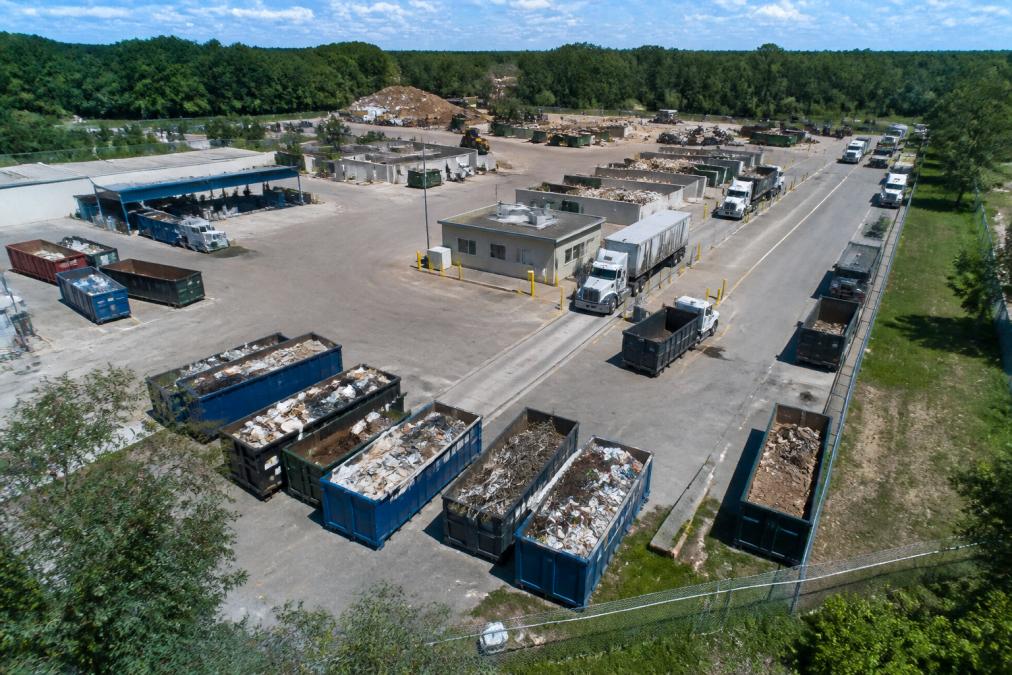
Tampa and Hillsborough County operate several transfer stations where you can drop off construction debris. A transfer station accepts loads, weighs them at the scalehouse, and transfers the debris to larger trucks for transport to the landfill. This is the standard self-haul option for homeowners and small contractors.
The scalehouse operation is straightforward: you drive your loaded truck or trailer to the facility, check in, proceed to the scalehouse where your load is weighed, and then drive to the designated dumping area. Staff inspect loads to ensure prohibited items aren't mixed in. After unloading, you return to the scalehouse for a final weight, and your tipping fees are calculated based on the weight difference.
Several facilities serve the Tampa area:
Hillsborough County Central Transfer Station (most commonly used for residential C&D)
- Accepts residential and commercial construction debris
- Operates during extended hours to accommodate both homeowners and contractors
- Load inspection required at entry
- Scalehouse staff can answer questions about acceptable materials
Smaller neighborhood drop-off sites operate in various Hillsborough County locations, though availability and accepted materials vary. Some facilities specialize in yard waste or specific debris types rather than mixed C&D loads.
Hours of Operation and Contact Information
Hours vary by facility and season, so confirming before you go prevents wasted trips. Most Hillsborough County facilities operate six days per week but close on Sundays and certain holidays.
Typical operating hours:
- Weekdays: 7 AM to 5 PM
- Saturdays: 7 AM to 3 PM
- Closed: Sundays and major holidays
Contact the Hillsborough County Solid Waste Management department at 813-272-5680 for current hours, facility locations, and any seasonal changes. Staff can also answer questions about what materials are accepted and current tipping fee structures. Having this information before loading your truck prevents frustration and ensures you're headed to the right facility.
Dumpster Rental Tampa Construction: When to Rent vs. Self-Haul
Choosing between renting a dumpster and self-hauling depends on project scope, timeline, and convenience. Each approach has real trade-offs worth considering before you commit.
Self-haul is best when:
- Your project generates a small to moderate amount of debris (under 5 tons)
- You have a truck or trailer and the physical ability to load it
- You have flexibility to make multiple trips if needed
- You want to avoid rental fees entirely
- Your timeline allows for gradual debris removal
Self-hauling requires you to load, transport, and unload your own debris. You pay only tipping fees based on weight, which can be significantly cheaper than rental for smaller projects. However, you're responsible for all the labor, and you're limited by how much your vehicle can safely carry.
Dumpster rental is best when:
- Your project generates a large volume of debris (5+ tons)
- You want debris removed on a fixed schedule without multiple trips
- Labor constraints make loading difficult or unsafe
- You need the dumpster on-site for an extended period
- You prefer a single bill instead of multiple facility visits
A dumpster rental company delivers a roll-off container, leaves it at your property for a set period, and picks it up when you're finished. You load at your own pace, and the company handles transport and disposal. This convenience comes with rental fees, delivery charges, and potential overage costs if you exceed weight limits.
For many Tampa homeowners tackling renovations, a combination approach works well: rent a dumpster for the main debris while self-hauling smaller loads of recyclable materials to reduce overall costs.
Step-by-Step DIY Disposal Process for Construction Debris
Sorting and Classifying Your Debris
Proper sorting before arrival at a disposal facility or into a rental dumpster saves time and prevents rejection of your load. Most facilities require basic separation of materials, and some actually pay for recyclable debris like metal and clean wood.
Step 1: Separate by material type Create distinct piles for wood, metal, drywall, concrete, and mixed debris. This takes extra time upfront but prevents facility staff from rejecting your load or charging overage fees for mixed waste.
Step 2: Remove prohibited items Before loading anything, set aside hazardous materials, electronics, appliances, and any items containing paint or solvents. These require separate disposal and cannot go in standard C&D loads. Mixing them in creates liability and facility fines.
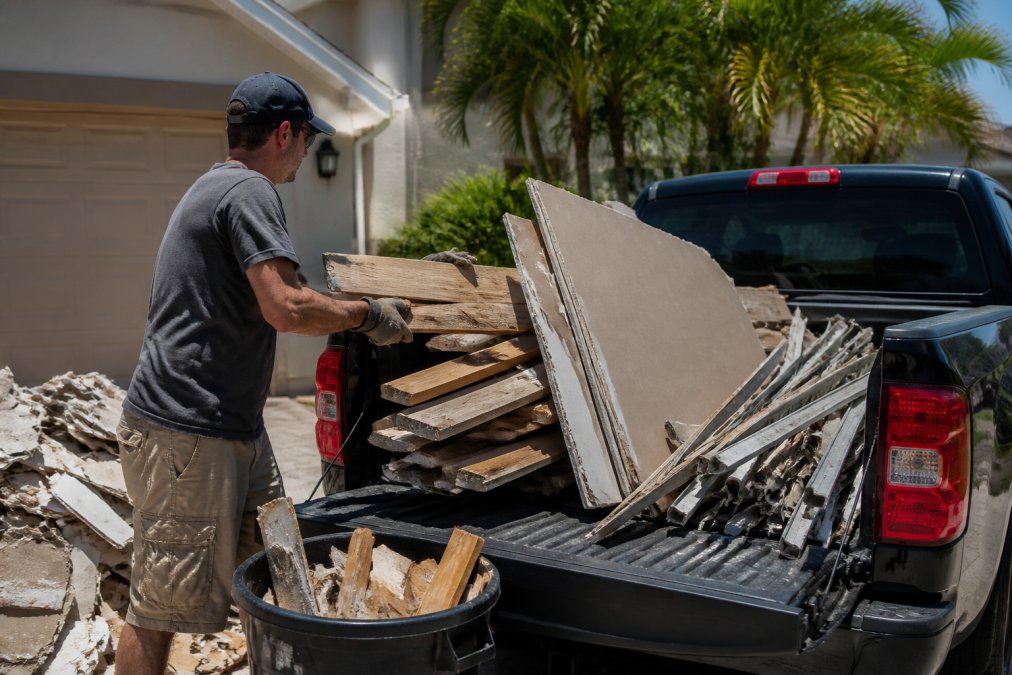
Step 3: Break down large items Concrete chunks, lumber, and drywall take up significant space. Breaking these into manageable pieces maximizes your truck capacity and makes unloading safer. Concrete can be smashed with a sledgehammer; lumber can be cut to shorter lengths; drywall can be stacked flat.
Step 4: Stack for stability Arrange debris so it won't shift during transport. Unstable loads are dangerous and may be refused at the facility. Stack drywall flat, bundle lumber with rope or straps, and place heavier items at the bottom.
Load Weight Limits and Inspection Requirements
Every truck and trailer has a weight capacity. Exceeding it is unsafe and illegal, and facilities will refuse overloaded vehicles. Understanding your vehicle's limits before you start loading prevents dangerous situations and facility rejections.
Check your vehicle's capacity:
- Find the Gross Vehicle Weight Rating (GVWR) on the driver's side door jamb
- Subtract your vehicle's empty weight to determine safe load capacity
- Remember that construction debris is dense, a small-looking pile can weigh several tons
Most pickup trucks safely carry 1,000 to 3,000 pounds depending on the model. A typical full-size dump trailer might hold 5,000 to 10,000 pounds. Never estimate, know your actual numbers before loading.
Inspection at the facility: When you arrive at the disposal facility, staff inspect your load for prohibited items. They're looking for hazardous materials, electronics, appliances, and other non-C&D waste. A load with mixed prohibited items will be rejected, forcing you to return home and sort it properly.
Common rejection reasons include:
- Hazardous materials mixed in (paint cans, chemical containers, batteries)
- Appliances or electronics (refrigerators, TVs, computers)
- Tires or automotive waste
- Yard waste mixed with C&D debris
- Loads exceeding weight limits
Having sorted your debris properly and removed all prohibited items before arriving prevents frustration and wasted time.
How to Dispose of Hazardous Construction Waste in Tampa
Hazardous construction materials require specialized handling and disposal at approved facilities. Attempting to dispose of hazardous waste at standard C&D facilities creates liability and environmental risk.
Common hazardous construction materials:
- Asbestos-containing products (pipe insulation, floor tiles, roofing materials, joint compounds)
- Lead-based paint or primers
- PCB-containing materials (older electrical equipment, fluorescent ballasts)
- Refrigerants from air conditioning systems or refrigeration equipment
- Solvent-based paints, stains, and finishes
- Pesticide or herbicide containers
- Batteries (lithium, lead-acid, rechargeable)
Proper disposal steps:
- Identify hazardous materials during the planning phase, don't wait until demolition begins
- Contact Hillsborough County Environmental Protection or a licensed hazardous waste contractor for guidance
- For asbestos or lead materials, hire a certified professional to remove and dispose of them, attempting DIY removal creates serious health risks
- Store hazardous materials in sealed containers away from children and pets
- Transport only to approved hazardous waste facilities or arrange professional pickup
For most homeowners, hiring a professional hazardous waste disposal company is safer and more cost-effective than attempting DIY handling. Mike's Top Junk Removal can help coordinate proper disposal of hazardous materials, ensuring compliance with environmental regulations and protecting your family from exposure.
Hillsborough County Landfill Fees and Tipping Costs
Tipping fees are calculated by weight at the scalehouse. Understanding the fee structure helps you budget and compare the cost of self-hauling versus dumpster rental.
Hillsborough County charges different rates depending on material type and whether you're a residential or commercial customer. Typical C&D debris fees range based on current county rates, which change periodically. Contact the county solid waste department for exact current fees, they adjust annually and vary by facility.
Factors affecting your total cost:
- Weight of your load (primary cost driver)
- Material type (some materials have higher or lower fees)
- Residential vs. commercial status
- Whether materials are recyclable or mixed waste
A typical residential load of mixed C&D debris from a small renovation might weigh 2,000 to 5,000 pounds, translating to moderate tipping fees. Larger demolition projects generating 10,000+ pounds in debris will incur significantly higher costs.
Comparing self-haul vs. rental: Self-hauling works financially when your debris volume is small enough to fit in your truck and tipping fees are lower than rental costs. For larger projects, a dumpster rental often costs less overall because you avoid multiple trips and the associated time investment, even though the rental fee is higher per transaction.
Permitting Requirements and Environmental Compliance
Most residential renovations don't require a disposal permit, but larger projects and all commercial demolition typically do. Understanding permit requirements before you start prevents code violations and project delays.
When you need a permit:
- Commercial demolition projects
- Residential projects involving structural changes or asbestos removal
- Projects generating hazardous waste
- Projects near wetlands or environmentally sensitive areas
- Projects exceeding certain debris volume thresholds
The City of Tampa and Hillsborough County building departments issue demolition permits. Applications require project details, site plans, and sometimes environmental assessments. Processing typically takes 5-10 business days.
Environmental compliance considerations:
- Hazardous materials must be disposed of at approved facilities
- Recycled materials (metal, clean wood) should be diverted from landfills when possible
- Contaminated soil requires testing and specialized disposal
- Wetland protection regulations restrict debris placement near sensitive areas
Contact your city or county building department early in your project planning to determine specific requirements. Compliance prevents fines and ensures your debris is disposed of responsibly.
Proper disposal of construction debris protects the environment and keeps your project on track. Mike's Top Junk Removal handles the logistics of responsible debris removal, ensuring materials reach the right facilities and hazardous items are managed safely. Get a free estimate to see how professional removal simplifies the process and gives you peace of mind that everything is disposed of properly.
Disposing of construction debris in Tampa doesn't have to be complicated. Whether you choose to self-haul to a local transfer station or rent a dumpster, understanding your options and following local regulations keeps the process straightforward. Mike's Top Junk Removal offers same-day and next-day availability with free estimates and upfront pricing. Get my free estimate today and discover how transparent, reliable service makes debris removal stress-free.
Frequently Asked Questions
Where can I dump construction debris in Tampa?
Tampa-area residents can haul construction and demolition debris to transfer stations and landfill facilities in Hillsborough County. The main options include the county-operated transfer stations, which accept C&D materials like wood, drywall, concrete, and brick. You'll need to drive to the facility during operating hours, unload at the scalehouse, and pay tipping fees based on load weight. Alternatively, hire a professional debris removal service for same-day pickup.
What's the difference between a landfill and a transfer station for construction debris?
A transfer station is a collection point where you drop off debris and it's weighed and sorted before transport to a landfill. A landfill is the final disposal site where waste is buried. Transfer stations typically have shorter hours and accept non-hazardous C&D waste like wood and concrete. Landfills handle larger volumes and may accept additional waste types. Most homeowners use transfer stations for convenience and lower tipping fees.
How much does it cost to dispose of construction debris in Hillsborough County?
Hillsborough County landfill fees vary based on load weight and debris type. Tipping fees are typically charged per ton or per visit. Non-hazardous construction waste like wood and concrete usually costs less than mixed loads. Contact the Hillsborough County solid waste facility directly for current pricing, or request a free estimate from a local debris removal service to compare self-haul costs against professional hauling.
Can I dispose of hazardous construction waste like paint or asbestos at a regular landfill?
No. Hazardous materials including paint, solvents, asbestos, and treated lumber require special handling and cannot go to standard landfills. Florida has strict environmental compliance rules for hazardous waste disposal. Contact Hillsborough County's hazardous waste facility or a licensed disposal contractor. Some materials may need certified removal. Always ask your debris removal service if they handle hazardous materials before hiring.
This article was written using GrandRanker