

Table of Contents
- Step 1: Sort Your Items Before Any Eco-Friendly Junk Disposal Begins
- Step 2: Donate Usable Items to Charity Donation Centers in Tampa
- Step 3: Recycle Electronics, Scrap Metal, and Bulk Items
- Step 4: Hillsborough County Hazardous Waste Disposal for Tampa Residents
- Step 5: Choose Between DIY and Professional Eco-Friendly Junk Disposal in Tampa
- Step 6: Reduce Waste at the Source Before Your Next Cleanout
- Conclusion
Last Updated: August 3, 2026
Sorting your junk before disposal is not optional, it is the single decision that determines whether your unwanted items end up in a landfill or get a second life. The eco friendly junk disposal methods tampa residents rely on most all start at the same place: a clear system for separating what can be donated, recycled, repurposed, or properly disposed of as hazardous material. At Mike's Top Junk Removal, we have helped hundreds of Tampa homeowners, landlords, and contractors work through exactly this process, and the difference between a responsible cleanout and a wasteful one almost always comes down to preparation. Below, we will walk you through six practical steps that cover everything from sorting logistics to choosing between DIY hauling and professional pickup.
Here is what most guides get wrong: they treat eco-friendly disposal as a single action rather than a sequence of decisions. The reality is that responsible waste diversion requires matching each category of junk to its correct disposal channel. Get that right, and landfill avoidance practically handles itself.
Step 1: Sort Your Items Before Any Eco-Friendly Junk Disposal Begins
Sorting is the foundation of sustainable disposal, and skipping it is the most common mistake Tampa homeowners make. Eco-friendly junk disposal begins the moment you separate items into four categories: donate, recycle, hazardous, and landfill. That simple framework drives every decision that follows.
What You'll Need Before Sorting
Before you touch a single item, gather these supplies:
- Colored tape or sticky labels (one color per category)
- Heavy-duty trash bags for landfill items
- Cardboard boxes for donation items
- A notepad to log appliance model numbers (useful for donation eligibility checks)
- A smartphone to photograph items in good condition before they leave your home
Set up a staging area, ideally a garage or driveway, where you can physically separate piles. Trying to sort in place, inside a cluttered room, leads to missed items and poor decisions.
Common Sorting Mistakes Tampa Homeowners Make
The biggest sorting error is treating "broken" and "landfill" as synonyms. A cracked dresser might be unusable as furniture but its wood is a candidate for scrap or repurposing. A non-working appliance may still have recyclable metal components. Here is where waste diversion starts to pay off.
A second common mistake is ignoring household hazardous waste during sorting. Paint cans, batteries, motor oil, and fluorescent bulbs cannot go into standard bulk item pickup. Mixing them in with general junk creates liability for you and environmental risk for the community. Flag them separately from the start.
Category |
Examples |
Correct Channel |
|---|---|---|
Donate |
Furniture, clothing, small appliances |
Charity donation centers |
Recycle |
Scrap metal, e-waste, cardboard |
Recycling centers, scrap yards |
Hazardous |
Paint, batteries, motor oil, chemicals |
Hillsborough County HHW facility |
Landfill |
Contaminated materials, broken glass |
Solid waste services / hauler |
Step 2: Donate Usable Items to Charity Donation Centers in Tampa
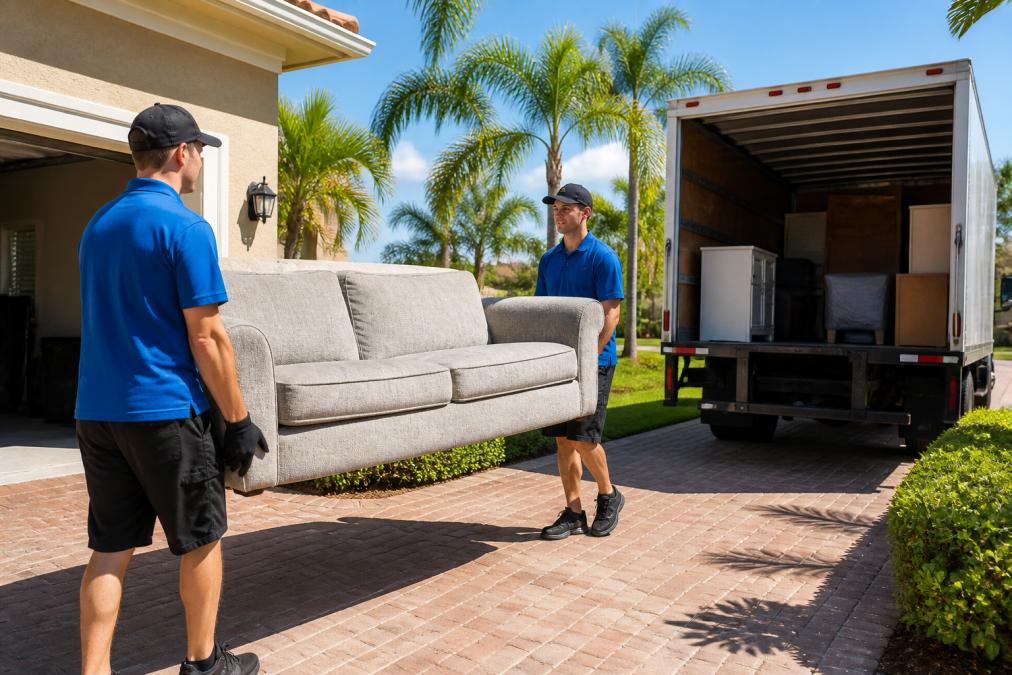
Donating usable items is the highest-value form of waste diversion available to Tampa residents. A piece of furniture that gets donated avoids landfill entirely, serves someone in need, and may qualify you for a federal tax deduction. That is three wins from one decision.
Furniture and Appliance Donation Logistics in Tampa
Tampa has several active non-profit donation centers that accept furniture and appliances, but logistics matter. Most centers will not accept items with rips, stains, mold, or missing parts. Call ahead and ask about current needs, since some organizations run seasonal surpluses of certain items.
Key charity donation centers Tampa residents use regularly include:
- Habitat for Humanity ReStore (multiple Hillsborough County locations): Accepts furniture, appliances, building materials, and fixtures. Free pickup is available for larger items.
- Metropolitan Ministries: Accepts household goods and furniture for families transitioning out of homelessness.
- Goodwill Industries of the Suncoast: Accepts clothing, small appliances, and select furniture pieces at drop-off locations across Tampa.
- The Salvation Army Family Stores: Offers free furniture pickup for qualifying donations.
For appliance donation, the item must be in working condition. Refrigerators and washers are in high demand. If an appliance runs but is cosmetically damaged, mention that upfront, many centers accept it anyway.
The practical reality of furniture donation logistics is that scheduling pickup can take three to seven days at busy times of year. If you are on a tight cleanout timeline, plan your donation drop-offs or pickups before booking your junk removal service, not after.
According to Habitat for Humanity ReStore program overview, donated building materials and household goods sold through ReStore locations directly fund affordable housing construction in local communities.
Step 3: Recycle Electronics, Scrap Metal, and Bulk Items
Most Tampa cleanouts contain more recyclable material than homeowners expect. Old appliances, scrap metal from renovation debris, and broken electronics all have recovery value that keeps them out of the waste stream. The key is knowing where each material type goes.
E-Waste Recycling and Scrap Metal Recovery in Hillsborough County
E-waste recycling is one of the most overlooked eco-friendly disposal methods in Tampa. Old televisions, computers, monitors, printers, and phones contain materials including lead, mercury, and cadmium that are classified as hazardous if landfilled. They also contain recoverable copper, gold, and aluminum.
Hillsborough County operates e-waste drop-off events and permanent collection sites. The Hillsborough County Solid Waste Management recycling programs page lists current e-waste collection locations and accepted items, which is worth checking before your cleanout day since accepted items change periodically.
For scrap metal recovery, Tampa has several licensed scrap yards that accept ferrous and non-ferrous metals from residential cleanouts. Copper wiring, aluminum window frames, steel appliances, and cast iron fixtures all have scrap value. Scrap metal recovery is one of the few eco-conscious disposal methods where you may actually receive payment rather than pay a fee.
Bulk item pickup through Hillsborough County's curbside collection program handles large items like mattresses and sofas, but it does not cover electronics or hazardous materials. Check the county's current bulk pickup schedule for your zone before placing items at the curb.
A practical note on material recovery: separating metals from mixed loads before calling a hauler can reduce your overall disposal cost, since clean loads of recyclable material are easier and cheaper to process.
Step 4: Hillsborough County Hazardous Waste Disposal for Tampa Residents
Hazardous waste management is the step Tampa residents most frequently skip, and it is the one with the most serious environmental consequences. Improper disposal of household hazardous waste contaminates groundwater, harms wildlife, and violates Florida solid waste regulations.
Hillsborough County Hazardous Waste Disposal is handled through the county's Household Hazardous Waste program, which provides free drop-off for residents at designated facilities. Common accepted items include:
- Latex and oil-based paint
- Pesticides and herbicides
- Motor oil and automotive fluids
- Fluorescent bulbs and CFLs
- Batteries (all types)
- Pool chemicals
- Propane tanks
The Hillsborough County Household Hazardous Waste drop-off program provides current facility hours, accepted materials lists, and any quantity limits. Hours and locations do change, so verify before loading your vehicle.
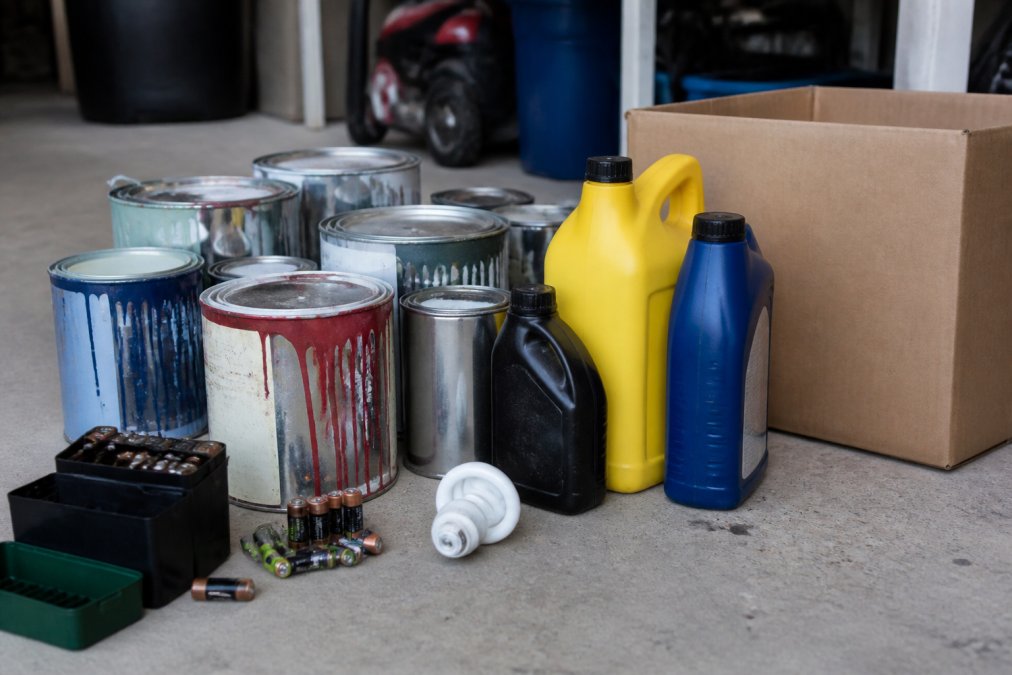
What most guides miss here is the paint issue. Many Tampa homeowners have accumulated a dozen or more cans of leftover paint from renovation projects. Latex paint that has fully dried is generally accepted with regular trash in Florida, but liquid paint requires HHW drop-off. Dry it out using cat litter or a commercial paint hardener, then dispose of the empty or hardened cans with regular solid waste.
Step 5: Choose Between DIY and Professional Eco-Friendly Junk Disposal in Tampa
The cost-benefit analysis of DIY versus professional junk removal is more nuanced than most people realize. The decision affects not just your wallet but your carbon footprint and the likelihood that your items actually get disposed of responsibly.
Carbon Footprint Reduction: Why How You Haul Matters
Carbon footprint reduction in junk disposal comes down to trip efficiency. A single professional hauling truck consolidating a full load from one Tampa home makes far fewer vehicle miles per pound of material than a homeowner making three separate trips in a pickup truck to three different drop-off locations.
DIY disposal makes sense when:
- You have a small volume of items (one or two pieces of furniture)
- You have a truck and can make a single trip to a donation center or recycling facility
- You have flexibility to schedule multiple drop-offs over several days
Professional eco-friendly junk disposal in Tampa makes sense when:
- You have a full room or multiple rooms to clear
- Your load includes a mix of donation, recycling, and landfill items requiring multiple disposal channels
- You are working against a deadline (estate cleanout, tenant turnover, renovation start date)
- You want documented proof that items were disposed of responsibly
Mike's Top Junk Removal provides upfront pricing and free estimates, so you know the full cost before any work begins. For property managers and landlords handling multiple units, same-day and next-day availability matters more than almost any other factor. A vacant unit sitting empty while you coordinate three separate disposal logistics is a real cost.
The honest answer on DIY versus professional: if your cleanout involves hazardous materials, e-waste, and bulky furniture simultaneously, the time cost of DIY coordination typically exceeds the cost of professional hauling services.
Step 6: Reduce Waste at the Source Before Your Next Cleanout
The most effective eco-friendly junk disposal method is generating less junk to begin with. Waste reduction at the source is not a cliché, it is the only approach that eliminates disposal costs entirely for the items you never accumulate.
Practical waste reduction strategies for Tampa homeowners and property managers:
- Buy with end-of-life in mind. Furniture and appliances with standardized parts are easier to repair, donate, or recycle than proprietary designs.
- Use a one-in, one-out rule for large items. Before any new appliance or furniture piece enters your home, identify where the replaced item will go.
- Schedule small-batch donation runs quarterly. Waiting for a full cleanout means items deteriorate past donation eligibility. Regular small donations keep items in usable condition.
- Digitize paper clutter. Document scanning eliminates a significant category of household clutter before it becomes a disposal problem.
- Communicate with contractors before renovation projects. Ask your contractor to separate metal, wood, and concrete debris on-site. Clean-sorted construction waste is significantly cheaper to dispose of and more likely to be recycled.
Green waste management is a mindset shift, not a single event. Tampa residents who build disposal awareness into their purchasing and maintenance habits find that their cleanout volumes shrink considerably over time.
According to EPA's waste reduction and recycling guidance for households, reducing waste at the source is the highest-priority strategy in the waste management hierarchy, ahead of recycling and composting, because it eliminates the energy and resource costs of processing entirely.
Environmental stewardship in the context of home cleanouts is not about perfection. It is about making better decisions at each step: sorting before hauling, donating before discarding, recycling before landfilling. Those decisions compound across a neighborhood, a city, and a county.
Clearing out a home, rental unit, or job site generates more categories of waste than most people plan for, and the logistics of responsible disposal across donation, recycling, hazardous waste, and bulk item pickup can become genuinely complex. Mike's Top Junk Removal handles that complexity directly, with free estimates, upfront pricing, and same-day or next-day availability so your timeline never stalls. Get My Free Estimate from Mike's Top Junk Removal and reclaim your space without the guesswork of coordinating eco-friendly disposal on your own.
Frequently Asked Questions
What is the most environmentally friendly method of waste disposal in Tampa?
The most eco-friendly approach combines waste diversion strategies: donate usable furniture and appliances to local non-profit centers, recycle electronics and scrap metal at certified Hillsborough County facilities, and use a professional hauling service that prioritizes material recovery over landfill disposal. Keeping items out of the landfill entirely through donation or recycling has a far lower environmental impact than even the most efficient disposal methods.
How much does junk removal cost in Tampa, FL?
Junk removal cost in Tampa FL varies based on the volume of items, type of materials, and accessibility of the space. Pricing typically reflects load size, so a single bulk item costs less than a full truckload of mixed debris. For an accurate figure with no hidden fees, request a free upfront estimate from a local Tampa junk removal company before scheduling. Always confirm whether recycling, donation drop-offs, and hazardous waste handling are included.
What items are prohibited from Tampa curbside trash collection?
Hillsborough County curbside collection generally prohibits hazardous waste such as paint, motor oil, pesticides, batteries, and propane tanks. Large appliances like refrigerators and air conditioners containing refrigerants also require special handling under EPA Section 608 regulations. Electronics including TVs and computers must go to certified e-waste recycling centers. For a full list, check the Hillsborough County Solid Waste Services website or schedule a bulk item pickup through the county's designated programs.
How can I donate unwanted furniture in Tampa?
Several charity donation centers in Tampa accept gently used furniture, including Habitat for Humanity ReStores and local Salvation Army locations. Most require items to be clean, structurally sound, and free of major damage. Some organizations offer free pickup for larger pieces, though scheduling lead times vary. Call ahead to confirm accepted items and pickup availability before loading anything. Donating locally keeps usable items in the community and reduces the carbon footprint of long-haul disposal.
Where can I find hazardous waste drop-off locations in Hillsborough County?
Hillsborough County operates Household Hazardous Waste (HHW) drop-off events and permanent collection sites for residents to safely dispose of paint, chemicals, batteries, and similar materials. These are free for Hillsborough County residents. Check the Hillsborough County Solid Waste Services website for current drop-off locations, hours, and accepted materials. Never place hazardous items in curbside bins or hand them to a standard junk removal crew not certified for hazardous waste management.
Where can I recycle electronics in Hillsborough County?
Hillsborough County partners with certified e-waste recycling programs that accept computers, monitors, TVs, and small electronics. Several community recycling programs and retail drop-off points throughout Tampa also accept e-waste at no charge. Responsible e-waste recycling prevents toxic materials like lead and mercury from reaching landfills. A professional junk removal company familiar with Tampa's disposal regulations can often transport electronics directly to certified recycling centers as part of a standard cleanout.
This article was written using GrandRanker