

Table of Contents
- How Per-Item Haul Away Pricing Works
- What Goes Into a Junk Removal Cost Estimate
- Per-Item Costs for Furniture and Appliances
- Bulky Waste Collection and Curbside Pickup Rules
- Hazardous Materials and Items Haulers Won't Take
- How to Lower Your Per-Item Haul Away Costs
- Frequently Asked Questions
Last Updated: September 10, 2026
How Per-Item Haul Away Pricing Works
The cost of unwanted item haul away per item depends on how a hauler measures your load: by truck space or by weight. Most residential junk removal companies quote by volume, using fractions of a truck bed. Weight-based pricing shows up mainly for dense materials like concrete, dirt, and roofing shingles.

At Mike's Top Junk Removal, we provide free estimates and upfront pricing for a transparent experience, ensuring you always know what to expect.
Volume-Based vs. Weight-Based Pricing
Volume-based pricing is the standard for household junk. The hauler estimates how much of the truck your items will fill, measured in cubic yards or as a fraction of the load, then quotes a flat rate for that space.
Weight-based pricing applies when density matters more than size. Construction debris removal, broken concrete, and soil are billed per ton at a transfer station, so haulers pass that cost through.
| Pricing Model | Unit of Measure | Best For | Watch Out For |
|---|---|---|---|
| Volume-based | Cubic yards or truck fraction | Furniture, appliances, bagged clutter | Items that compress or stack densely |
| Weight-based | Pounds or tons | Concrete, dirt, shingles, scrap metal | Small piles that weigh far more than they look |
| Flat rate per item | Per piece | Single mattresses, sofas, refrigerators | Minimum charges on small jobs |
How a Hauler Turns Truck Space Into a Per-Item Number
A hauler prices the slice of the truck your item occupies once loaded, plus the labor to get it there:
- Estimate the fraction of the truck.
- Multiply by the truck's per-yard rate. A 2-yard sofa prices at twice a 1-yard recliner, before labor adjustments.
- Adjust for labor and access. Stairs, tight turns, disassembly, and door removal all add time. A ground-floor walkout is the cheapest version of any item; a third-floor walk-up the most expensive.
- Apply the minimum. If the total lands under the hauler's minimum, you pay the minimum, not the per-item sum.
Minimum Charges and Flat Rates
Flat rates per item exist too, usually for single bulky pieces like a mattress removal service or a hot tub removal service.
What Actually Moves the Per-Item Number
Four variables do most of the work:
- Density. A bag of clothing and a bag of tile weigh nothing alike. Dense loads push you toward weight-based pricing.
- Access. Distance from the truck, stair count, and doorway width are the biggest labor multipliers.
- Disposal path. Items that can be recycled or processed through a standard transfer station cost less to drop than items requiring special handling.
- Bundling. The more items share one trip, the more the minimum charge gets spread out.
Why Per-Item Pricing Is Not Always the Cheapest Framing
Per-item pricing is convenient for a single mattress or refrigerator, but rarely the best deal for a whole-room cleanout. With five or more items, ask the hauler to quote the load as a fraction of the truck instead. You're buying space, and space is cheaper in bulk.
What Goes Into a Junk Removal Cost Estimate
A junk removal cost estimate is the itemized breakdown of what a hauler expects to spend on your job: labor, truck space, disposal fees, and any special handling. Here's what drives the number:
- Labor costs: Most jobs run two-person crews. Heavy or awkward items, like a sleeper sofa or a treadmill, take longer and cost more.
- Truck space and transportation costs: The fuel and time to reach you, load, and reach the disposal site.
- Disposal cost and tipping fees: What the hauler pays per load at a transfer station or recycling center. Dense or oversized loads cost more to drop.
- Environmental fee: Some haulers add a line item for recycling and responsible disposal, especially electronics and appliances.
- Item classification: A mattress, a refrigerator, and a bag of clothing each take a different disposal path and price differently.
How a Hauler Builds the Estimate, Step by Step
A transparent estimate is built in a predictable order:
- Scope the load. The estimator assigns every item a rough volume and weight class.
- Score access. Distance from truck to item, stairs, elevators, gate codes, and parking all get noted, because they change labor time.
- Flag special handling. Refrigerant recovery, mattress recycling, electronics, and anything requiring disassembly get separated out.
- Estimate disposal cost. The hauler knows what their transfer station or recycling center charges per load and per material type, and folds that in.
- Apply the pricing model. Volume, weight, flat rate, or a blend, depending on the load.
- Add the minimum check. If the total falls below the minimum, the minimum wins.
What You Can Influence vs. What You Cannot
Not every line item is negotiable:
| Line Item | Can You Influence It? | How |
|---|---|---|
| Labor time | Yes | Stage items near the truck, disassemble what you can, clear a path |
| Truck space | Yes | Bundle items into one trip, break down bulky pieces |
| Disposal fees | Partly | Separate recyclable metals and electronics so they take a cheaper path |
| Environmental fee | Rarely | It reflects the hauler's actual processing cost |
| Minimum charge | No | It is a fixed floor, but you can spread it across more items |
Reading the Estimate Like a Pro
Three questions separate a real estimate from a guess:
- Is it binding or an on-site range? Phone quotes are almost always ranges. On-site quotes after the hauler sees the load are the ones that hold.
- What happens if the load is bigger than expected? A good hauler tells you the trigger for a revised number before the truck is loaded.
- Are disposal fees included or billed separately? Some haulers quote labor and truck only, then pass through tipping fees.
Where the Estimate Goes Wrong
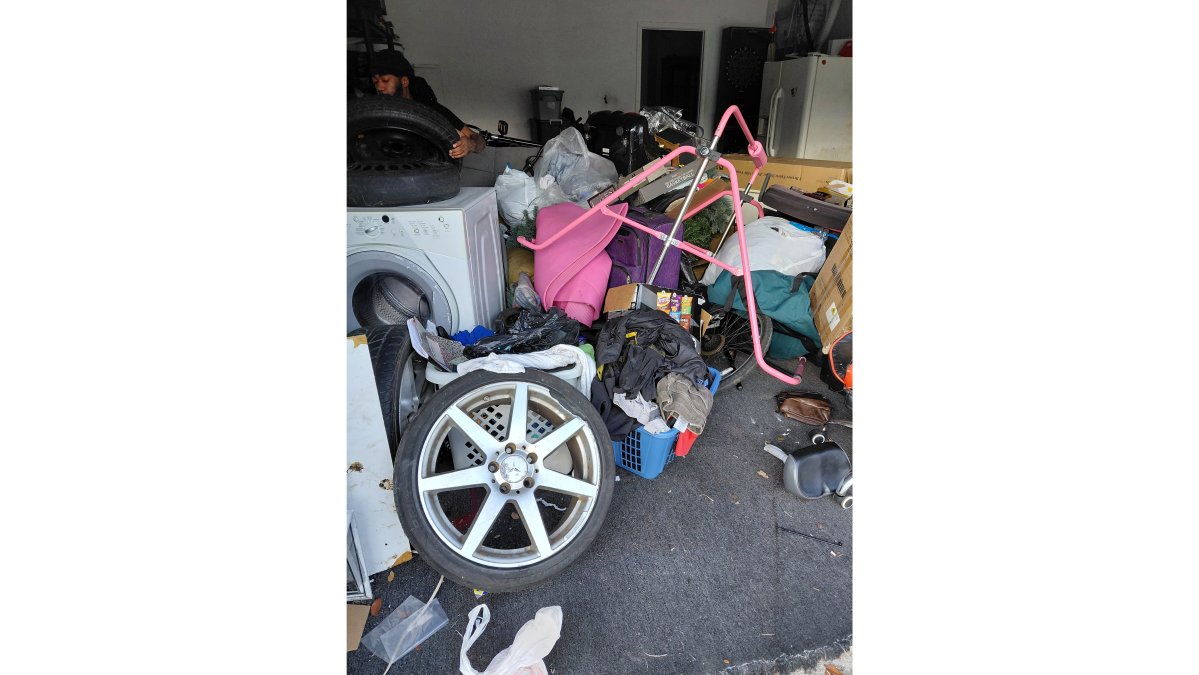
Most estimate failures aren't dishonest; they're scope gaps. A homeowner describes "a garage full of stuff" and the hauler pictures bagged clutter, but the garage actually holds a water heater, two tires, and a shelf of paint cans. Tires and paint change the disposal path and the price. Photograph the pile, count the heavy items, and mention anything hazardous before the crew arrives.
Per-Item Costs for Furniture and Appliances
Per-item pricing is where most homeowners get surprised, because the same category of item can quote very differently depending on size, weight, and how easily it comes out of the house. A furniture removal service typically charges more for a sectional than a single chair, and an appliance removal near me search often returns quotes that swing based on whether the unit still works.
Furniture Removal Service Pricing Factors
The biggest variables for furniture are bulk and access. A sofa that walks straight out a ground-floor door takes minutes; the same sofa coming down a narrow staircase and through a tight doorway can double the labor. Old furniture haul away quotes also factor in whether the piece can be resold or must be broken down. Mattresses are their own category: many haulers charge a separate mattress removal service fee because of the recycling handling required.
Appliance Removal Near Me: What to Expect
Appliance disposal follows a different path than general junk. Refrigerators, freezers, and air conditioners contain refrigerant that must be recovered before disposal, so a refrigerator disposal service charges for that handling. Appliances are also heavy, pushing them toward the top of per-item pricing.
If you're clearing several rooms at once, our Residential Junk Removal service handles furniture, appliances, and debris in a single trip, so you're not booking separate appointments for each category.
Bulky Waste Collection and Curbside Pickup Rules
Municipal bulky waste collection programs offer a lower-cost alternative, but strict rules trip people up. Most cities limit bulky waste to a set number of items per pickup, require items at the curb by a specific time, and exclude anything a single worker can't lift safely. Bulky waste usually includes mattresses, sofas, water heaters, and large appliances, but the exact list varies by municipality.
Curbside pickup also typically excludes construction debris, tires, and hazardous materials. If your items don't qualify, a full-service removal company is the practical route. Check your local solid waste department's guidelines before dragging anything to the curb.
Hazardous Materials and Items Haulers Won't Take
Standard junk haulers cannot legally transport hazardous materials, one of the most common reasons a pickup gets partially rejected on arrival. Hazardous waste includes paint, motor oil, pesticides, propane tanks, batteries, and anything labeled corrosive, flammable, or toxic. These require special handling through household hazardous waste facilities.
Separate hazardous items before your appointment and ask your local waste authority where to take them.
How to Lower Your Per-Item Haul Away Costs
The single biggest lever on your total is consolidation. Combining a garage cleanout service, an attic cleanout, and a shed removal and demolition into one appointment can be more efficient.
Other ways to reduce the bill:
- Declutter before you book. Removing items you can handle yourself shrinks the load size and the price.
- Stage everything in one spot. Items already gathered in the driveway cut labor time and sometimes the quote.
- Ask about recycling credits. Metals and electronics carry scrap metal value, and some haulers pass part of that back.
- Schedule off-peak. Same day junk removal is convenient but may price higher than a flexible weekday slot.
Clearing out a garage, estate, or rental property is a logistics problem as much as a disposal one, and the wrong approach means paying a minimum charge three times over. Mike's Top Junk Removal makes it simple: free estimates, upfront pricing, and same-day or next-day availability, all from a family-owned team that shows up when it says it will. Point to what needs to go, get a real number before we lift a thing, and reclaim your space without the guesswork. Get started with Mike's Top Junk Removal and book your free estimate today.
Frequently Asked Questions
How do professional haulers calculate per-item pricing?
Most haulers price per item using a combination of volume and weight. Labor costs, transportation costs, and any environmental fee for proper disposal are folded in. Some companies quote a flat rate per item; others use an on-site estimate after seeing the item. Always ask whether the quote includes all fees before booking.
Is it more cost-effective to remove multiple items at once?
Yes. Adding multiple items to the same trip usually costs far less than booking separate appointments. Bundling furniture, appliances, and debris into a single pickup whenever possible can be more efficient.
Does the cost of hauling away an item depend on its weight or volume?
Both matter. Light but bulky items like mattresses take up cubic yard space, so volume-based pricing applies. Heavy items like concrete, appliances, or exercise equipment may trigger weight-based pricing because of tipping fees at the recycling center or landfill. A junk removal cost estimate should specify which method the hauler uses so you understand what drives the final number.
What factors influence the final quote for junk removal?
The main factors are load size (cubic yard volume), item weight, labor-intensive tasks like disassembly or stair carries, your service area and distance, and any environmental fee for hazardous or special-handling materials. Getting a free on-site estimate locks in the price before any work begins.