

Table of Contents
- How Junk Removal Services Handle Multiple Loads
- Junk Removal Pricing for Multiple Loads
- How to Estimate Junk Removal Volume for Your Project
- Junk Removal vs. Dumpster Rental for Large Projects
- Scheduling and Logistics for Multi-Load Projects
- What Items Can Be Hauled Away and Special Handling Considerations
- Conclusion
Last Updated: August 6, 2026
How Junk Removal Services Handle Multiple Loads
Can junk removal handle multiple loads? Yes, professional junk removal services are equipped to manage projects that require more than one truck trip or multiple scheduled pickups. The key is understanding how these services structure their operations to accommodate larger cleanouts, renovation debris, and multi-phase projects.
When you have a significant amount of junk spanning different areas of your property, a garage full of old furniture, a basement stacked with boxes, and exterior debris from a renovation, a single pickup may not be practical. Professional crews assess the total volume and can schedule multiple appointments to clear everything efficiently. This approach works particularly well for property managers overseeing several rental units, contractors managing job site debris, and homeowners tackling estate cleanouts.
At Mike's Top Junk Removal, we handle multi-load projects by coordinating scheduling around your timeline. Rather than forcing everything into one trip (which could take hours and tie up a truck), we break the project into manageable phases. This means less disruption to your property, more controlled loading, and transparent pricing for each load.
The logistics of managing multiple loads involves several moving parts: assessing total volume upfront, scheduling pickups in a logical sequence, preparing items between loads, and ensuring nothing gets missed. Understanding these processes helps you plan your project timeline and budget accordingly.
Junk Removal Pricing for Multiple Loads
Junk removal pricing for multiple loads depends on several factors: total volume of items, types of materials, labor intensity, and your location. Rather than a flat rate, most services price based on truck capacity used per load.
Full-service junk removal typically charges by the portion of truck space your items occupy. A half-truck load costs less than a full truck load. If your project requires two half-loads spread across two appointments, you'll pay for two separate trips. Some services offer discounts when scheduling multiple loads upfront, recognizing the efficiency of back-to-back or closely-timed pickups.
The cost calculation includes labor (the crew's time to lift, load, and haul), disposal fees (what landfills or recycling centers charge), and fuel. Bulky items like appliances, mattresses, and furniture drive up labor costs because they require special handling and careful maneuvering through doorways and down stairs. Construction debris and mixed materials may incur additional sorting fees if recyclables need to be separated from general waste.
Mike's Top Junk Removal provides free estimates before any work begins. This means you know the exact cost for each load before committing. Transparent, upfront pricing eliminates surprise charges, a common complaint about national chains that advertise low rates then add hidden fees at the curb.
For multi-load projects, request itemized pricing for each scheduled pickup. This gives you clarity on costs and helps you decide whether to consolidate loads or spread them out based on your budget.
How to Estimate Junk Removal Volume for Your Project
Estimating junk removal volume accurately prevents scheduling problems and surprise costs. Most services measure truck capacity in fractions, half-truck, three-quarter truck, or full truck, rather than by weight or item count.
Measuring Your Items and Load Capacity
Start by physically walking through each area where junk is located. Photograph or video-record the space to document the volume. A standard full-size junk removal truck holds approximately 12-15 cubic yards of material. A half-load is roughly 6-8 cubic yards.
To estimate volume mentally, think in terms of furniture pieces and their footprint. A single couch occupies about 2-3 cubic yards on its own. A full bedroom set (bed frame, dresser, nightstands, mattress) takes up 4-5 cubic yards. A refrigerator or freezer occupies 1-2 cubic yards. Stacked boxes in a basement corner might seem like a lot visually, but they compress more efficiently than bulky furniture.
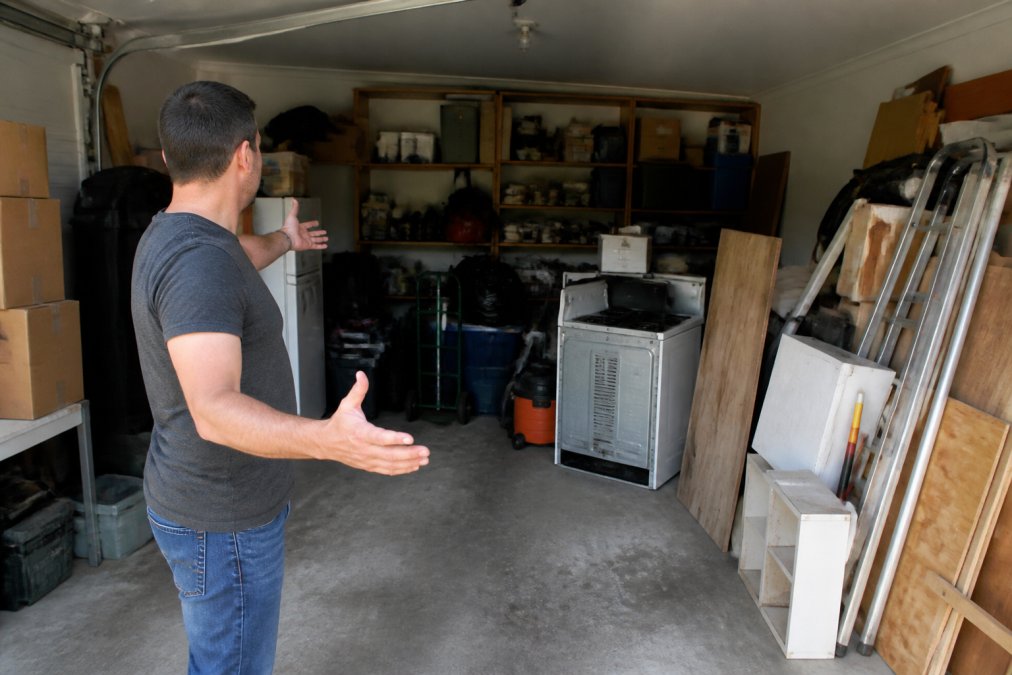
A practical rule: if you can walk around your items comfortably, you likely have less than a half-truck load. If items are stacked floor-to-ceiling and block movement, you're approaching a full load or need multiple pickups.
Categorizing Items for Removal
Not all junk is treated equally. Sorting items into categories helps you understand what disposal method applies and whether special handling fees apply.
Furniture and household items: Couches, chairs, tables, dressers, cabinets. Most go to landfills unless they're in resalable condition. Some services donate usable furniture to charities, which may reduce your cost.
Appliances: Refrigerators, ovens, washing machines, dryers, water heaters. These require special handling due to hazardous materials like refrigerant. Appliance disposal fees are typically higher and often separate from general junk pricing.
Electronics: Old computers, monitors, printers, televisions. E-waste recycling is mandated by law in most states. Proper disposal costs money but keeps toxic materials out of landfills.
Construction and renovation debris: Drywall, lumber, roofing materials, flooring, concrete chunks. This material is heavy and bulky. If mixed with general junk, sorting costs increase. Separating it beforehand reduces fees.
Yard waste and landscaping debris: Branches, leaves, mulch, sod. Some services handle this; others refer you to specialized yard waste removal. Volume can be deceptive, a pile of branches takes up surprising truck space.
Hazardous materials: Paint cans, chemicals, batteries, propane tanks. Most junk removal services refuse these items entirely. You'll need specialized disposal or must handle them separately.
Categorizing upfront allows you to get accurate pricing and understand whether multi-load scheduling makes sense. For example, if you have heavy construction debris plus household furniture, splitting them into separate loads might be more efficient than mixing everything together.
Junk Removal vs. Dumpster Rental for Large Projects
For projects requiring multiple loads, you might consider whether hiring junk removal services or renting a dumpster makes more sense. Each approach has trade-offs.
Full-service junk removal means a professional crew comes to your location, loads items into their truck, and hauls everything away. You don't touch anything. Labor is included. This works best for projects where you need items moved from inside your home (down stairs, through hallways, out of tight spaces). It's ideal for elderly homeowners, people with mobility issues, or anyone who simply doesn't want to handle heavy lifting. The crew does the sorting, loading, and hauling in one visit per scheduled load.
Dumpster rental requires you to load items yourself. You rent a large bin (typically 10, 20, or 30 cubic yards) and place it on your property for a set period (usually 7-10 days). You fill it at your own pace. When full or when the rental period ends, the company picks it up and handles disposal. This is cheaper per cubic yard if you're willing to do the physical work. It works well for renovation projects where debris accumulates over time, or for large cleanouts where you have the time and ability to load items yourself.
For multi-load junk removal projects, professional removal is often more practical. You avoid renting equipment, don't strain your back loading heavy items, and can schedule pickups around your availability. The trade-off is higher per-load cost compared to dumpster rental. However, if your items are spread across multiple rooms or levels of your home, the labor savings justify the expense.
Property managers and contractors often prefer dumpster rental for job sites because debris accumulates throughout a project. Homeowners doing one-time cleanouts typically prefer junk removal because it's hands-off and the work finishes faster.
Scheduling and Logistics for Multi-Load Projects
Successfully managing multiple junk removal loads requires planning. The logistics involve coordinating pickup dates, preparing items between loads, and ensuring the crew can access everything efficiently.
Planning Your Pickup Schedule
Start by determining how many loads you'll need. If your estimate shows you have 1.5 truck loads worth of junk, schedule two pickups: one for a full load and one for the remainder. Scheduling them 3-5 days apart gives you time to organize items between appointments without feeling pressured.
For large estate cleanouts or multi-unit property clearing, some teams schedule loads on consecutive days if the volume warrants it. This accelerates the project timeline but requires you to have items sorted and accessible for each day's pickup.
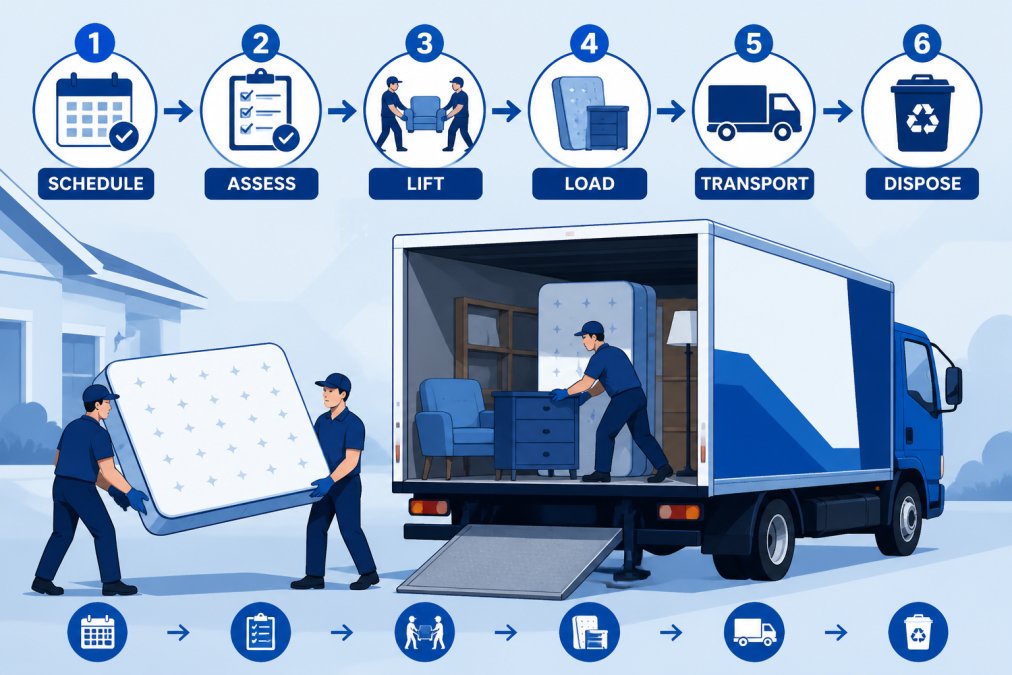
Coordinate scheduling based on your availability and the service's capacity. Services like Mike's Top Junk Removal offer same-day and next-day availability, which means you're not waiting weeks for appointments. Confirm that the crew can access your property at the scheduled time, whether that means unlocking a rental unit, clearing a driveway, or ensuring someone is home to open gates.
Weather can impact scheduling, especially for exterior debris. If you're clearing yard waste or construction materials from outside, avoid scheduling during heavy rain when items become waterlogged and heavier to load.
Preparing Items Between Loads
Between scheduled pickups, prepare items for the next load. This means moving items from storage areas to a central location where the crew can access them easily. If you're clearing a basement, move items to the basement entrance or garage so the crew doesn't have to navigate multiple rooms.
Group similar items together. Stack furniture neatly rather than scattered throughout the space. This makes the crew's job faster and prevents them from missing items hidden in corners. Faster loading means lower labor costs for you.
If you're dealing with appliances or hazardous materials, flag them clearly so the crew knows to handle them with special care or refuse them appropriately. Communicate any access restrictions, narrow hallways, tight staircases, or fragile flooring, so the crew brings the right equipment and takes precautions.
For multi-location projects (multiple rental units or properties), coordinate scheduling so the crew can move efficiently between locations. Clustering pickups geographically reduces travel time and can lower your overall cost.
What Items Can Be Hauled Away and Special Handling Considerations
Most junk removal services accept many household and commercial items, but some require special handling or incur additional fees.
Commonly accepted items: Furniture (couches, tables, chairs, dressers), mattresses, box springs, carpeting, flooring materials, household clutter, boxes of miscellaneous items, yard waste, branches, leaves, and general debris.
Items requiring special handling or fees: Appliances (refrigerators, ovens, washers, dryers, water heaters, air conditioners) require certified disposal due to refrigerant and other hazardous materials. Mattresses and box springs often carry a per-item surcharge because they're bulky, difficult to load, and take up disproportionate truck space. Electronics (televisions, computers, monitors) must go to certified e-waste recyclers.
Items typically refused: Paint cans, chemicals, batteries, propane tanks, ammunition, tires (in most cases), medical waste, and large quantities of soil or concrete. These require specialized disposal and liability concerns prevent most junk removal services from accepting them.
If your project includes refused items, research local hazardous waste facilities or specialized disposal services. Many communities have drop-off days for electronics and chemicals. Tire shops often accept old tires for a small fee.
For multi-load projects, understanding what's accepted prevents scheduling conflicts. If you discover refused items during the first load, you'll need to handle them separately before the second pickup, which delays your project.
Conclusion
Can junk removal handle multiple loads? Absolutely. Professional junk removal services are designed to manage projects of any size, whether you need one truck or multiple scheduled pickups spread across weeks. The key is planning upfront, getting accurate volume estimates, and coordinating scheduling around your property's layout and your timeline.
Mike's Top Junk Removal specializes in exactly this type of work. We provide free estimates so you know costs upfront, offer same-day and next-day availability for flexible scheduling, and handle everything from lifting and loading to responsible disposal. Our family-owned approach means we treat your property with care and show up when we commit to show up, something homeowners and property managers consistently value over national chains.
Get your free estimate today and learn how we can clear your space efficiently, whether it's a single load or a multi-phase project. No hidden fees, no surprises, just transparent, reliable service.
| Load Type | Typical Volume | Best For | Timeline |
|---|---|---|---|
| Half-truck load | 6-8 cubic yards | Single room cleanout or smaller projects | 1-2 hours |
| Full truck load | 12-15 cubic yards | Whole-house cleanout or renovation debris | 2-3 hours |
| Multiple loads (2-3) | 15-30+ cubic yards | Estate cleanouts, multi-unit properties | 3-7 days spread |
| Dumpster rental alternative | Varies by bin size | Projects where you load items yourself | 7-10 days |
Frequently Asked Questions
Do junk removal companies offer discounts for multiple loads?
Many junk removal services offer volume-based pricing that can reduce per-load costs when you schedule multiple pickups. Some providers give discounts for back-to-back appointments or when you book several loads in advance. Pricing depends on the quantity of items, truck capacity utilization, and your service area. Contact Mike's Top Junk Removal for a free estimate on your multi-load project to see what savings apply to your specific situation.
How do I schedule a multi-load junk removal project?
Start by assessing the total volume of items you need removed and whether they fit in one truckload or require multiple trips. Call or request a free estimate to discuss your timeline and scheduling needs. Most professional services, including Mike's Top Junk Removal, offer same-day and next-day availability. Coordinate pickup dates that work with your cleanout schedule, whether you're clearing an estate, managing a rental property, or removing renovation debris. Confirm truck capacity and labor requirements for each load upfront.
What's the difference between a single load and a full truckload for junk removal?
A single load refers to one pickup trip, which may or may not fill the entire truck. A full truckload means the truck is completely filled to capacity. For multiple-load projects, you might have several partial loads or a combination of full and partial loads. Understanding truck capacity helps you plan scheduling and cost. Full truckload utilization is typically more efficient and may offer better per-item removal pricing. Ask your junk removal provider about their truck size and capacity when estimating your project.
What items will junk removal services not take?
Most junk removal services cannot accept hazardous materials, electronics requiring special recycling, certain appliances (depending on local regulations), and items that pose safety or legal disposal issues. Refrigerators and air conditioning units often require special handling due to refrigerant disposal requirements. Paint, chemicals, and construction waste may have restrictions. Confirm what your service provider accepts before scheduling. Mike's Top Junk Removal handles bulky items like furniture, mattresses, and renovation debris, ask about specific items during your free estimate.
This article was written using GrandRanker